Women fashion around the world
Womens Fashion Around the World
A Journey Through Culture, Style and Modern Trends
Womens fashion is much more than clothing. It is a reflection of personality, culture, history and creativity. Across the world women express themselves through styles, fabrics, colors and accessories that represent both their traditions and modern lifestyles. Fashion changes with time. It always remains an important part of daily life because it allows people to communicate who they are without speaking. Whether someone prefers dresses, comfortable casual wear, traditional outfits or trendy streetwear fashion provides countless ways to showcase individuality.
The fashion industry has grown into one of the global industries influencing everything from entertainment and social media to business and tourism. Designers, celebrities, influencers and fashion brands introduce trends every season inspiring millions of women to experiment with their wardrobes. At the time traditional clothing continues to hold cultural importance in many countries proving that fashion is not only about following trends but also about preserving heritage.
Technology and globalization have made international fashion more accessible than before. A woman in Europe can easily wear inspired outfits while someone in Asia may adopt French fashion techniques or Italian luxury styles. Online shopping, fashion blogs and social media platforms have connected people from cultures allowing fashion ideas to spread across borders within seconds. This exchange has created a blend of traditional and contemporary styles that continues to shape the global fashion landscape.
Although trends come and go the foundation of womens fashion remains the confidence, comfort and self-expression. Every country contributes something to the fashion world through its textiles, craftsmanship, colors and cultural influences. Understanding these differences helps us appreciate the beauty and diversity of fashion while discovering new ways to develop our personal style.
Korean Womens Fashion
South Korea has become one of the worlds leading fashion destinations thanks to the popularity of K-pop Korean dramas and social media influencers. Korean fashion is admired for its ability to combine simplicity with elegance creating outfits that’re both fashionable and practical. Women in South Korea often choose clothing that looks polished without appearing overly complicated. Their fashion philosophy emphasizes lines, balanced proportions and carefully coordinated colors.
One of the defining characteristics of fashion is its minimalist aesthetic. Of relying on flashy patterns or excessive accessories many outfits feature neutral shades such as white, beige, gray, black and soft pastel colors. These colors create an appearance while making it easy to mix and match different clothing pieces. Oversized shirts, wide-leg trousers, pleated skirts, knitted sweaters and structured blazers are commonly seen in Korean fashion.
women fashion around the world
Layering plays a role in Korean style. Women often combine shirts with cardigans sweaters with coats or dresses with jackets to create outfits that’re visually interesting while remaining comfortable during different seasons. Even simple outfits appear stylish because each layer is carefully selected to complement the others. Accessories such as handbags, delicate jewelry, baseball caps and classic sneakers complete the overall look without overwhelming it.
Street fashion is another influence in South Korea. Young women frequently experiment with hoodies, cargo pants, denim jackets, graphic T-shirts and fashionable sneakers. This relaxed style reflects the lifestyle of Korean youth while maintaining an organized and fashionable appearance. Many international brands have adopted elements of streetwear because of its growing global popularity.
Traditional Korean clothing, known as the Hanbok continues to inspire designers. While Hanbok is mainly worn during celebrations and special occasions its elegant silhouettes, flowing fabrics and beautiful embroidery influence contemporary fashion collections. Designers often incorporate Hanbok-inspired sleeves, collars or color combinations into dresses and blouses creating a perfect balance between tradition and innovation.
The influence of beauty also contributes to fashion trends. Natural makeup, skin and neatly styled hair complement clothing choices creating a complete fashion image. This combination of beauty and fashion has helped South Korea establish itself as one of the influential style capitals in Asia.

Indian Womens Fashion
India is home to one of the fashion traditions in the world. Its clothing reflects centuries of history, regional diversity, artistic craftsmanship and cultural heritage. Womens fashion is admired for its vibrant colors, luxurious fabrics and detailed embroidery making it unique among global fashion traditions.
Traditional clothing remains a part of everyday life for many Indian women. The saree is perhaps the recognizable garment, consisting of a long piece of fabric elegantly draped around the body. Sarees come in designs ranging from simple cotton styles suitable for daily wear to luxurious silk versions decorated with intricate embroidery for weddings and festivals. Each region of India has developed its weaving techniques and textile traditions making every saree unique.
Another popular outfit is the salwar kameez, which combines comfort with elegance. This attire includes a tunic paired with loose trousers and a matching scarf called a dupatta. The outfit is suitable for both formal occasions making it one of the most versatile choices in Indian fashion. Modern designers continuously reinvent the salwar kameez by introducing cuts, fabrics and contemporary patterns while preserving its cultural identity.
women fashion around the world
Lehengas are especially popular during weddings and celebrations. These outfits feature decorated skirts, fitted blouses and elegant dupattas that showcase exceptional craftsmanship. Hand embroidery, sequins, mirror work, beads and traditional weaving techniques transform each lehenga into a work of art. Indian bridal fashion is recognized internationally for its appearance and attention to detail.
Modern Indian fashion successfully combines clothing with Western influences. Young women often pair jeans with embroidered kurtis wear blazers over dresses or combine traditional jewelry with contemporary outfits. This fusion style allows women to celebrate their heritage while embracing modern fashion trends.
Indian textiles play a role in global fashion. Cotton, silk, linen, chiffon, georgette and velvet are commonly used to create garments for different climates and occasions. Handloom fabrics remain highly valued because they support artisans while preserving centuries-old weaving traditions. Many international designers collaborate with craftsmen to incorporate traditional embroidery and textile techniques into luxury fashion collections.
The rapid growth of Indias fashion industry has also increased the popularity of fashion. Designers are focusing on eco- materials, natural dyes, ethical production and handcrafted garments that reduce environmental impact while supporting local communities. This movement demonstrates that fashion can be both beautiful and socially responsible.

Transition to Global Fashion
Indian fashion represent two unique approaches to womens style. Korean fashion emphasizes minimalism, modern silhouettes and subtle elegance while Indian fashion celebrates colors, rich textiles and artistic craftsmanship. Despite their differences both styles continue to inspire women around the world and contribute significantly to fashion trends.
As globalization continues to influence the fashion industry women increasingly combine elements from cultures to create wardrobes that reflect both tradition and individuality. This cultural exchange has transformed fashion into a language that celebrates creativity, diversity and personal expression. In the part of this article we will explore Pakistani womens fashion Japanese fashion and the growing influence of modest fashion, in todays global fashion industry
Pakistani Womens Fashion
Pakistani women fashion is known for its blend of tradition and modern elegance. The countrys clothing reflects its cultural heritage, regional diversity and appreciation for fine craftsmanship. Pakistani fashion has gained recognition because of its beautiful embroidery, premium fabrics and sophisticated designs that appeal to women of all ages. Whether for wear, office attire, festive celebrations or weddings Pakistani clothing offers a wide variety of styles that combine comfort with elegance.
One of the popular outfits in Pakistan is the shalwar kameez. This traditional attire consists of a shirt paired with loose or fitted trousers and is often complemented by a dupatta. The versatility of the shalwar kameez allows women to wear it for outings professional settings, religious events and formal occasions. Designers continuously introduce cuts, sleeve styles, necklines and fabric combinations making the outfit fashionable while preserving its cultural identity.
Luxury lawn collections have become one of the defining features of fashion. During the summer season fashion brands launch printed lawn suits made from lightweight cotton fabric that provides comfort in warm weather. These collections feature prints, geometric patterns, digital designs and elegant embroidery that make everyday dressing both stylish and practical. Every year new lawn collections create excitement among fashion enthusiasts who eagerly await the designs from leading Pakistani designers.
Wedding fashion occupies a place in Pakistans clothing industry. Bridal dresses are known for their fabrics, detailed hand embroidery, zari work, sequins, pearls, crystals and intricate embellishments. Traditional colors such as red, maroon, gold and deep green remain popular although modern brides are increasingly choosing shades like ivory blush pink and champagne. Pakistani bridal couture has attracted attention because of its exceptional craftsmanship and timeless beauty.
women fashion around the world
Pakistani fashion also embraces influences. Young women often combine kurtas with jeans style long shirts with straight trousers or pair embroidered tops with modern accessories. This fusion of Western fashion allows women to create versatile wardrobes suitable for different lifestyles while maintaining a connection to their cultural roots.
The countrys textile industry plays a role in supporting fashion. Pakistan is one of the worlds producers of high-quality cotton making locally manufactured fabrics highly valued for their softness, durability and comfort. Designers frequently experiment with chiffon, silk, linen organza, velvet and jacquard fabrics to create collections for seasons and occasions. This variety gives consumers choices while showcasing the countrys textile expertise.
Pakistani fashion has also expanded globally through shopping, international exhibitions and social media. Women living abroad often purchase clothing for cultural celebrations, weddings and everyday wear helping local designers reach customers around the world. This international demand continues to strengthen Pakistans position in the fashion industry.
Japanese Womens Fashion
Japan is one of the worlds innovative fashion destinations. Womens fashion combines tradition, creativity, craftsmanship and modern design in ways that inspire designers across the globe. While Japan is famous for its cutting-edge street fashion it also preserves centuries- traditions that continue to influence contemporary clothing.
Traditional Japanese clothing is represented by the kimono, a garment recognized for its silhouette, beautiful fabrics and artistic patterns. Although kimonos are mainly worn during weddings, festivals, tea ceremonies and cultural celebrations they remain a symbol of Japanese heritage. Modern designers frequently reinterpret kimono-inspired sleeves, belts and prints in fashion collections creating garments that blend historical influences with modern aesthetics.
Tokyo has become one of the worlds fashion capitals districts such as Harajuku and Shibuya where street fashion thrives. Young women express their creativity by experimenting with colors, oversized silhouettes, layered outfits, unique accessories and unconventional combinations. Japanese street fashion encourages individuality. Allows people to showcase their personalities without following strict fashion rules.
Minimalism is another aspect of Japanese fashion. Many women prefer lines, neutral colors, premium fabrics and timeless designs that remain stylish for years. Of purchasing large quantities of clothing consumers often invest in well-made garments that offer durability, versatility and excellent craftsmanship. This approach aligns with the growing appreciation for fashion and mindful consumption.
Japanese fashion brands are also respected for their attention to detail and innovative textile technology. Designers focus on creating clothing that combines functionality with elegance. Wrinkle-resistant fabrics, lightweight materials, breathable textiles and engineered garments reflect Japans commitment to quality and practical design. These innovations have influenced fashion industries around the world.
Accessories play a role in Japanese fashion. Structured handbags, minimalist jewelry, stylish hats, elegant scarves and comfortable footwear help complete coordinated outfits. Hair styling and subtle makeup further enhance the appearance that many Japanese women prefer demonstrating the countrys emphasis on overall presentation rather than clothing alone.

The Growing Popularity of Modest Fashion
fashion has become one of the fastest-growing segments of the global fashion industry. Women from cultural, religious and personal backgrounds are embracing clothing that provides comfort, elegance and confidence while offering greater coverage. Contrary to misconceptions modest fashion is not limited to one culture or religion. It has become a movement that celebrates style without compromising personal values.
Designers are creating modest clothing by using flowing dresses, maxi skirts, wide-leg trousers, long blazers, oversized shirts, elegant abayas, stylish hijabs and loose-fitting tops. These garments demonstrate that modest clothing can be modern, colorful and highly fashionable. Luxury fashion houses, independent designers and international retailers have all introduced fashion collections to meet growing consumer demand.
Social media has played a role in promoting modest fashion. Fashion influencers from countries regularly share styling ideas, seasonal trends and creative outfit combinations that inspire millions of women worldwide. Their content shows that modest fashion offers possibilities for self-expression while remaining practical and elegant.
The increasing popularity of fashion also reflects changing consumer preferences. Many women prioritize comfort, versatility and quality over revealing styles. As a result oversized silhouettes, relaxed tailoring and comfortable fabrics have become fashionable across countries regardless of cultural background. This shift demonstrates that fashion trends often evolve to meet changing lifestyles and personal values.
Fashion as a Reflection of Culture
Fashion is deeply connected to culture because clothing often represents history, traditions, beliefs, climate and social identity. Every country has developed garments that reflect its environment and cultural values. Traditional clothing tells stories about craftsmanship, local materials and artistic techniques passed down through generations.
Even as globalization influences fashion cultural identity remains important. Designers continue to incorporate embroidery, weaving methods, hand-painted textiles and regional patterns into modern collections. These elements preserve heritage while introducing traditional craftsmanship to international audiences. Fashion therefore becomes both an industry and a powerful tool for cultural preservation.
Todays women have freedom than ever to explore fashion from different parts of the world. A wardrobe may include Korean-inspired shirts, Pakistani embroidered kurtas, Indian handcrafted textiles and Japanese minimalist jackets creating a personal style that reflects both global inspiration and individual taste. This diversity highlights the beauty of fashion, where creativity knows no borders.
As international fashion continues to evolve designers increasingly celebrate influences while respecting the traditions that inspire their work. This balance between innovation and heritage ensures that womens fashion remains dynamic, meaningful and inclusive for generations.
The next part of this article will explore the elegance of Italian fashion examine the influence of global fashion weeks and discuss how celebrities and social media have transformed womens fashion trends, around the world.
French Womens Fashion
Womens fashion in France is really elegant and simple. France, Paris is one of the most important places for fashion in the world. Womens fashion is loved by many people because it is about looking great without trying too hard. The idea behind style is that a woman should feel confident and look good naturally rather than just following the latest trends.
One thing that is very typical of fashion is the use of classic clothing pieces. Many French women like to have a good quality items in their wardrobe, such as a well-fitted blazer, a white shirt, a trench coat, straight-leg jeans a nice dress and comfortable shoes that look good. Of buying a lot of cheap clothes they prefer to invest in a few expensive pieces that can be worn in many different ways. This way they can create a style that does not go out of fashion quickly.
Womens fashion also likes to use neutral colors, such as black, white, beige, navy, gray and cream. These colors are used to create an effortless look. French women often add a touch to their outfits with small details, such as a scarf, a handbag, jewelry or unique shoes rather than using a lot of patterns or bright colors. This balance between simplicity and personality is one of the reasons why French style is admired over the world.
Parisian fashion values beauty. Women in Paris do not wear a lot of makeup they just try to look healthy and natural. Their hairstyles are often. Effortless, rather than perfectly styled. This idea of looking good without trying hard has influenced beauty and fashion trends all over the world.
French fashion has also played a role in the luxury industry. Paris is home to famous fashion houses that have shaped global trends with their creativity, craftsmanship and innovation. French designers have created styles, elegant clothes and artistic approaches that continue to influence modern fashion.
Traditional French fashion is also very diverse with different regions having their unique styles and textile traditions. From countryside-inspired clothing to fashion influenced by the French Riviera these regional elements contribute to the countrys rich fashion identity. Today modern French designers continue to combine influences with contemporary ideas keeping French fashion relevant in the changing global marker.
Italian Womens Fashion
Italy is another country that’s famous for its womens fashion. Italian fashion represents luxury, craftsmanship, creativity and attention to detail. Cities like Milan, Rome and Florence have become fashion destinations attracting designers, buyers and fashion enthusiasts from all over the world.
Italian style is often associated with confidence and sophistication. Italian women are known for creating outfits that highlight quality fabrics, excellent tailoring and carefully selected accessories. Unlike some styles that focus on short-term trends Italian fashion often focuses on creating elegant looks that remain stylish over time.
One of the features of Italian fashion is its craftsmanship. Italy has a history of producing high-quality textiles, leather goods, shoes and accessories. Skilled artisans use techniques combined with modern technology to create products that are known for their durability and beauty. This commitment to quality has helped Italian fashion brands establish reputations internationally.
Womens clothing often combines femininity with structure. Fitted jackets, elegant dresses, tailored trousers, leather handbags and stylish shoes are common elements of Italian-inspired wardrobes. The goal is usually to create a look where every piece complements the others. Accessories, such as sunglasses, watches, belts and jewelry are also important in adding personality and sophistication to an outfit.
Colors play a role in Italian fashion. While neutral shades are popular Italian designers are not afraid to use colors, rich textures and artistic patterns. Seasonal collections often include fabrics, such as silk, velvet, cashmere and high-quality wool, which make clothing feel as beautiful as it looks.
women fashion around the world
Italian fashion has also influenced clothing around the world. The concept of casual style, where comfortable clothing is combined with elegant pieces has become increasingly popular. Women over the world now combine casual jeans with structured jackets simple tops with designer accessories and comfortable shoes with polished outfits reflecting the influence of Italian fashion principles.
Sustainability is becoming a focus within Italian fashion as well. Many designers are exploring production methods, environmentally friendly materials and traditional craftsmanship techniques. This movement shows that luxury fashion can adapt to concerns while maintaining creativity and quality.
Global Fashion Capitals and Their Influence
There are cities that influence global fashion trends through designers, fashion shows, creative communities and cultural movements. Cities like Paris, Milan, London, New York, Seoul and Tokyo play roles in shaping how people dress around the world.
Paris is still a symbol of luxury and high fashion because of its history, legendary designers and prestigious fashion events. Milan is known for its craftsmanship, luxury brands and sophisticated Italian design. London is recognized for its creativity, experimental styles and the combination of modern influences. New York represents diversity, practicality and urban fashion often introducing trends that become popular worldwide.
Seoul has become one of the growing fashion capitals due to the influence of Korean entertainment, streetwear and digital culture. Japanese cities continue to inspire designers through innovation and unique approaches to style. Together these fashion centers create a conversation where ideas move quickly between cultures.
Fashion capitals are not about luxury brands and runway shows. They are also places where ordinary people influence trends through street style. Photographers, influencers and fashion enthusiasts capture outfits, inspiring millions of people online. This shows that fashion is created not by designers but also by the people who wear and adapt clothing in their own ways.
The Influence of Celebrities on Womens Fashion
Celebrities have always played a role in shaping womens fashion trends. Famous actors, musicians, models and public figures often introduce styles that quickly become popular among their fans. Red carpet appearances, music videos, television shows and social media posts allow celebrities to influence fashion choices across the world.
Many fashion trends become popular after being worn by personalities. A particular dress style, hairstyle, accessory or color combination can become highly desired when associated with a celebrity. Fashion brands often collaborate with celebrities because their influence helps introduce products to audiences.
Social media has increased the power of celebrity influence. In the past fashion trends mainly spread through magazines, television and fashion shows. Today platforms like Instagram, TikTok and online fashion communities allow trends to spread instantly. Celebrities and influencers can share their outfits directly with millions of followers creating immediate interest in specific styles.
However modern consumers are also becoming more independent in their fashion choices. While celebrities continue to inspire trends many women now focus on developing styles that match their lifestyles, personalities and values. The modern fashion world encourages creativity than simply copying famous looks.
The Rise of Social Media Fashion
media has completely changed the fashion industry. It has given people the opportunity to share their creativity and influence global trends. Fashion bloggers, influencers and content creators now play a role alongside traditional designers and magazines.
Online platforms allow women to discover fashion ideas from cultures instantly. A person can learn about streetwear, Indian traditional clothing, Pakistani bridal fashion, French elegance or Italian luxury style without traveling to those countries. This global connection has created a diverse and inclusive fashion environment.
Social media has also changed how brands communicate with customers. Companies now use platforms to launch collections receive feedback and understand consumer preferences. Small fashion businesses can reach customers without needing traditional retail stores creating new opportunities for designers and entrepreneurs.
the future of womens fashion will continue to be shaped by technology, cultural exchange and changing consumer needs. As people become more connected fashion will continue to blend ideas from countries while allowing individuals to maintain their unique identities.
In the part we will explore fabrics, sustainable fashion, traditional clothing, versus modern fashion and how women can create personal styles inspired by global fashion trends.
The Importance of Fabrics in Womens Fashion
Womens fashion is really about the fabrics. Fabrics are what make clothes look good feel good and last. Different countries have their special ways of making fabrics based on the weather the culture and what they have available. For example India and China are famous for their silk fabrics. Pakistan and Europe are known for their high-quality cotton and linen fabrics.
Cotton is a popular fabric all around the world. It is comfortable, breathable and good for kinds of weather. Many countries like India, Pakistan, Bangladesh and Turkey make a lot of cotton clothes. Women like to wear cotton clothes every day in the summer and for occasions. Cotton is a fabric because it is soft and can absorb moisture making it perfect for warm weather.
Silk is a fabric that is often used for special occasions. Many cultures love silk because it is smooth and looks beautiful. Indian women wear silk sarees Japanese women wear silk kimonos and European women wear silk dresses. Silk is a fabric that never goes out of style.
Linen is another fabric that is lightweight and good for the environment. It is perfect for summer clothes because it keeps you cool and comfortable. Many fashion brands use linen to make dresses, shirts and pants. Women love linen clothes because they are natural and easy to wear.
Wool and cashmere are fabrics for cold weather. They keep you warm and look elegant at the time. Countries with weather use these fabrics to make coats, sweaters and scarves. High-quality wool and cashmere clothes are valuable because they are comfortable and long.
Synthetic fabrics like polyester, nylon and acrylic are also common in womens fashion. They are affordable, flexible and easy to care for. However many people are concerned about the impact of these fabrics on the environment. As a result many brands are looking for sustainable options.
The fabric you choose can completely change the way you look. A silk dress can make you look luxurious while a cotton dress can make you look casual. Fashion designers carefully choose fabrics to match the occasion, season and style of the clothes. This is what makes fashion so interesting and creative.
Sustainable Fashion and the Future of Clothing
Sustainable fashion is a topic in the fashion world right now. Many women are becoming more aware of the impact of fashion on the environment. Are looking for more responsible ways to shop. Sustainable fashion is about making clothes that’re good for the planet and the people who make them.
Traditional fashion production can harm the environment because it uses a lot of water, energy and chemicals. Many designers and companies are changing their ways to reduce waste and make sustainable clothes. They are using eco- materials, recycling and making clothes that last longer.
ayesha
One big trend in fashion is the use of natural materials. Organic cotton, recycled polyester, bamboo and hemp are becoming more popular. These fabrics are better for the environment. Give women more choices. Many fashion brands are also experimenting with materials made from plants and recycled waste.
Another important part of fashion is the idea of slow fashion. Of buying cheap clothes that you wear once and throw away slow fashion is about buying fewer but better-quality clothes. Women are looking for clothes that longer can be repaired and are still stylish after a few years.
Women can also make a difference by taking care of their clothes. Washing them often repairing them donating them and buying second-hand clothes are all simple ways to reduce waste. This shows that sustainability is not the responsibility of brands but also of women who buy and wear the clothes.
Fashion companies are becoming more transparent about how they make their clothes. Women want to know where their clothes come from who made them and what materials were used. This demand for transparency is making brands more responsible and honest.
women fashion around the world
The future of womens fashion will be about combining technology, sustainability and creativity. New manufacturing techniques, digital fashion experiences and eco-friendly materials will continue to shape the way clothes are made. Sustainable fashion is not a trend it’s a big change in the way people think about clothes.
Traditional Fashion Versus Modern Fashion
Traditional and modern fashion are two connected parts of womens clothing. Traditional fashion preserves history, craftsmanship and identity while modern fashion reflects current lifestyles, technology and changing preferences. Both types of fashion influence each other and create styles around the world.
Traditional clothes often have cultural meaning. For example the Indian saree, Pakistani shalwar kameez, Korean hanbok and Japanese kimono are all clothes that represent centuries of history and art. These clothes are often worn on occasions like festivals, weddings and ceremonies.
Modern fashion is more about convenience, versatility and personal expression. Women today wear clothes that fit their lifestyles like comfortable jeans, casual dresses and practical work clothes. Modern fashion allows women to mix styles and create unique looks that reflect their personalities.
The combination of modern fashion has created a new concept called fusion fashion. Designers around the world are mixing elements with modern designs to create clothes that are suitable for modern women. For example traditional embroidery might be added to a jacket or classic fabrics might be used in contemporary styles.
Fusion fashion is especially popular among women who want to celebrate their heritage while embracing modern trends. This approach allows cultural clothes to stay relevant while adapting to changing lifestyles. It also encourages creativity by showing that tradition and innovation can go together.
The Role of Fashion Accessories
Accessories are a part of womens fashion because they complete an outfit and allow women to express their personalities. Even a simple outfit can look more stylish with the accessories. Bags, jewelry, scarves, belts, sunglasses, watches and shoes all contribute to the look.
Handbags are one of the popular fashion accessories because they are practical and stylish. Women use handbags to carry their items and to enhance their outfits. From luxury leather bags to crossbody bags there are countless designs to suit different occasions and personalities.
Jewelry has been a part of fashion for thousands of years. Different cultures have their traditions of jewelry design using materials like gold, silver, gemstones and beads. In countries jewelry is not just decorative but also represents cultural identity, family traditions and special celebrations.
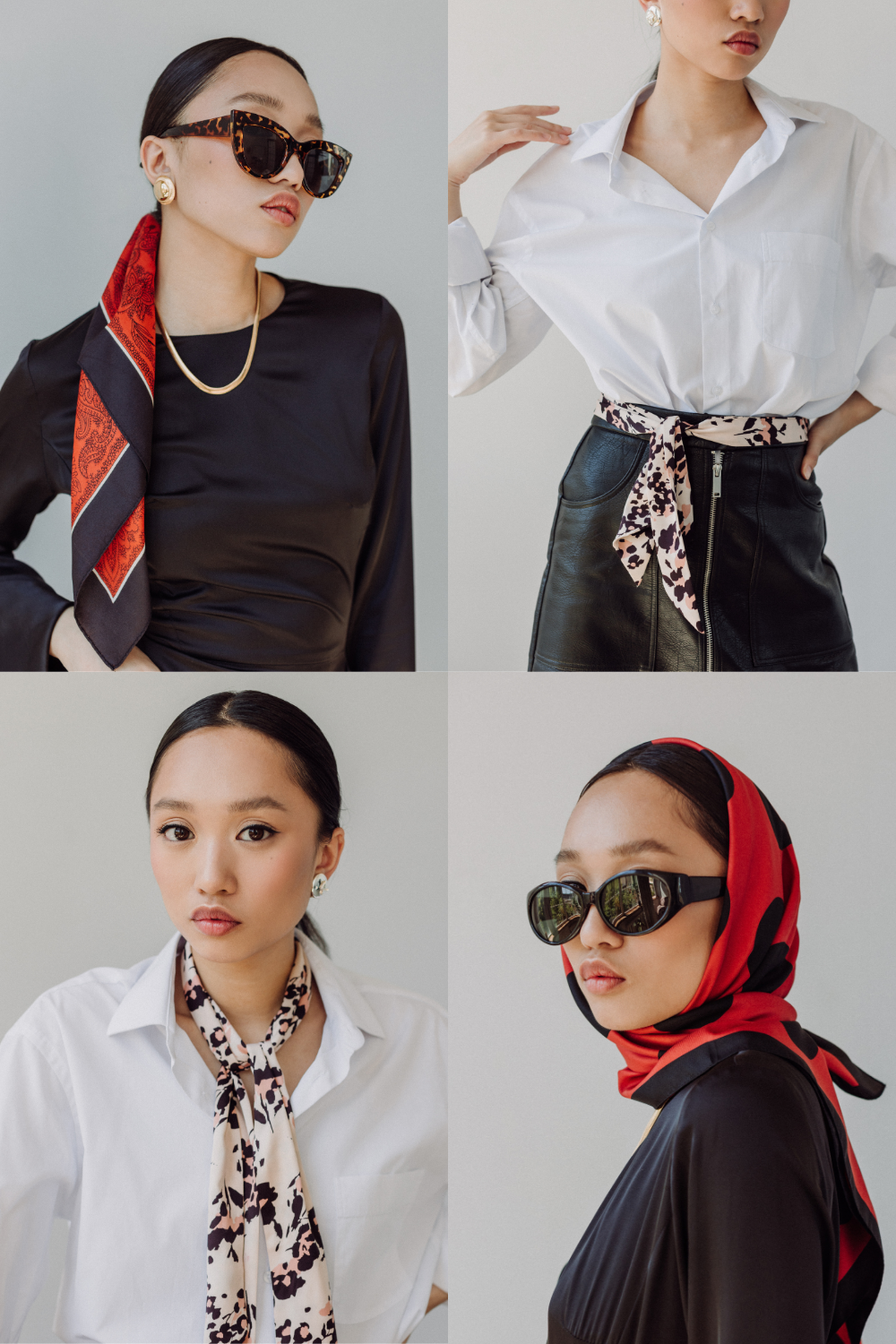
Scarves are another accessory that can add color, texture and elegance to an outfit. French fashion often features scarves while many Asian and Middle Eastern cultures incorporate scarves into traditional clothing styles. Modern fashion has transformed scarves into accessories that can be styled in creative ways.
Shoes also play a role in fashion. They can completely change the impression of an outfit. Sneakers can make you look casual and youthful while heels can make you look elegant and formal. Boots, sandals and traditional shoes from cultures all contribute unique elements to womens fashion.
Accessories show that fashion is not about clothes but about creating a complete personal image. The right accessories allow women to experiment with styles highlight their individuality and transform outfits into memorable fashion statements.
Creating a Personal Fashion Style
Creating a fashion style is about understanding what you like what you need and what makes you confident. While global trends can be inspiring the best fashion choices are those that make you feel comfortable and authentic. Personal style is not about following every trend but about selecting elements that represent your personality.
Many women discover their style by trying out colors, fabrics, silhouettes and cultural influences. You might like the simplicity of fashion the elegance of French style the craftsmanship of Indian clothing or the luxury of Italian fashion. Combining influences allows you to create a unique wardrobe.
Confidence is the important thing in fashion. Clothes should make you feel comfortable, empowered and expressive. The best fashion choices are those that reflect who you are and allow you to adapt to situations.
The next and final part of this article will talk about the future of womens fashion global fashion changes, the influence of technology and a complete conclusion, about how fashion connects women around the world.
Women’s Fashion Around The Future of Women’s Fashion
The future of women’s fashion will be shaped by creativity, technology, sustainability, and changing lifestyles. Fashion has always evolved according to the needs and values of society, and the coming years will bring new opportunities for designers, brands, and consumers. While trends will continue to change, the importance of comfort, individuality, and responsible production will become even stronger.
One of the biggest changes in future fashion will be the increasing use of technology. Digital tools are already transforming how clothing is designed, produced, and purchased. Designers now use advanced software to create virtual samples, experiment with new ideas, and reduce material waste during the design process. This technology allows fashion companies to create products more efficiently while lowering production costs.
Artificial intelligence is also beginning to influence the fashion industry. Brands are using AI to understand customer preferences, predict trends, improve inventory management, and create personalized shopping experiences. In the future, customers may receive fashion recommendations based on their personal style, body measurements, lifestyle, and previous purchases. This could make shopping more convenient and help reduce unnecessary production.
Virtual fashion is another emerging trend. Digital clothing, online fashion experiences, and virtual styling are becoming more popular as people spend more time in digital spaces. Although physical clothing will remain important, digital fashion provides new ways for individuals to express creativity and explore different styles without creating physical waste.
ayesha
Customization is also expected to grow in popularity. Many consumers want clothing that feels unique rather than mass-produced. Advances in technology are making it easier for brands to offer personalized designs, custom sizes, and individual style options. This shift allows women to create wardrobes that better reflect their personalities and preferences.
Comfort will continue to be a major influence on fashion. Modern lifestyles require clothing that can adapt to different activities, from working and traveling to social events and relaxation. This is why versatile clothing, relaxed silhouettes, breathable fabrics, and practical designs are becoming increasingly popular. The future of fashion will likely focus on creating garments that look stylish while supporting everyday life.
The Impact of Globalization on Women’s Fashion
Globalization has completely changed the way women experience fashion. In the past, clothing styles were often limited by geography, but today fashion ideas travel across the world instantly. A trend that begins in one country can become popular internationally within a short period of time because of social media, online shopping, and international fashion communities.
The exchange of fashion ideas between countries has created a more diverse industry. Korean fashion influences streetwear trends worldwide, Indian and Pakistani craftsmanship inspires luxury designers, Japanese creativity shapes modern experimental fashion, and European fashion houses continue to influence global elegance and sophistication. This cultural exchange has made fashion richer by combining different traditions and perspectives.
International brands have also contributed to making fashion more accessible. Women can now purchase clothing inspired by different cultures without traveling to another country. Online platforms allow customers to explore styles from around the world, creating opportunities for both established brands and small independent designers.
However, globalization has also created challenges. The fast movement of fashion trends has increased demand for inexpensive clothing, contributing to concerns about waste, labor conditions, and environmental impact. As consumers become more aware of these issues, the fashion industry is being pushed toward more ethical and sustainable practices.
The future of global fashion will depend on finding a balance between accessibility and responsibility. Brands will need to continue creating attractive and affordable clothing while ensuring better environmental and social standards. Consumers will also play an important role by making thoughtful purchasing decisions and supporting responsible companies.
The Role of Women in Shaping Fashion Trends
Women have always been central to the development of fashion. Throughout history, women have used clothing as a way to express identity, creativity, cultural values, and social change. From traditional garments passed down through generations to modern streetwear movements, women’s choices have continuously influenced the direction of fashion.
Today, women are not only consumers of fashion but also designers, entrepreneurs, influencers, and leaders within the industry. Female designers around the world are introducing innovative ideas, creating new brands, and challenging traditional ideas about beauty and style. Their work has expanded the definition of fashion and encouraged greater diversity.
Social media has further increased women’s influence. Fashion influencers and content creators share styling ideas with millions of followers, creating trends outside traditional fashion systems. These platforms allow women from different backgrounds, cultures, and body types to participate in fashion conversations and inspire others.
The modern fashion industry is also becoming more inclusive. There is growing recognition that beauty and style exist in many different forms. Brands are increasingly creating clothing for diverse body shapes, ages, cultures, and lifestyles. This movement reflects a broader understanding that fashion should represent everyone.
The Growing Importance of Ethical Fashion
Ethical fashion has become an important movement as consumers demand greater responsibility from clothing brands. Many people now want to know how their clothing is made, who produced it, and whether workers receive fair treatment. This awareness is encouraging companies to improve working conditions and create more transparent supply chains.
ayesha
Fair wages, safe workplaces, responsible sourcing, and environmental protection are becoming important factors in fashion decisions. Brands that focus on ethical practices are gaining support from consumers who value social responsibility alongside style.
Handcrafted fashion is also receiving renewed appreciation. Traditional artisans who create embroidery, weaving, and handmade textiles contribute valuable skills that have been preserved for generations. Supporting these crafts helps protect cultural heritage while providing economic opportunities for communities.
Many women are also embracing mindful shopping habits. Instead of buying clothing based only on short-term trends, consumers are choosing versatile pieces that can be worn for longer periods. Clothing repair, second-hand shopping, clothing swaps, and recycling programs are becoming more common as people look for ways to reduce fashion waste.
How Women Can Build a Timeless Wardrobe
A timeless wardrobe focuses on quality, versatility, and personal style rather than constantly changing trends. Building such a wardrobe begins with understanding what clothing pieces work best for an individual’s lifestyle, personality, and body type.
Classic items often form the foundation of a strong wardrobe. Simple shirts, well-fitted trousers, comfortable dresses, quality jackets, and versatile footwear can be styled in many different ways. These pieces remain useful across seasons and can be updated with accessories or small fashion changes.
Choosing the right colors also helps create a flexible wardrobe. Neutral shades are easy to combine, while carefully selected statement pieces can add personality. The goal is not to have the largest collection of clothing but to have items that work well together.
A timeless wardrobe can also include cultural and personal influences. A woman may combine traditional embroidered clothing with modern accessories, mix international fashion inspirations, or include handmade pieces that reflect her heritage. Personal meaning often makes clothing more valuable than simply following trends.
Most importantly, fashion should support confidence. Clothing is a tool for self-expression, and the best style is one that allows women to feel comfortable and authentic.
Women’s fashion around the world represents a beautiful combination of culture, creativity, history, and innovation. From the elegance of French fashion and the craftsmanship of Italian design to the vibrant traditions of Indian and Pakistani clothing, the minimal beauty of Korean style, and the creativity of Japanese fashion, every culture contributes something valuable to the global fashion story.
Fashion is constantly changing, but its purpose remains the same: allowing people to express themselves. Clothing reflects personal identity, cultural background, lifestyle, and individual creativity. The growing connection between countries has created a fashion world where ideas are shared, traditions are respected, and new styles continue to develop.
The future of women’s fashion will not only focus on appearance but also on responsibility, technology, and inclusivity. Sustainable materials, ethical production, digital innovation, and personalized designs will shape the next generation of fashion. Women around the world will continue to influence trends by combining cultural heritage with modern creativity.
ayesha
Ultimately, fashion is more than what people wear. It is a global language that connects communities, celebrates diversity, and gives women the freedom to express who they are. Whether through traditional clothing, modern designs, or a personal combination of styles, women’s fashion will continue to inspire, evolve, and represent the beauty of individuality for generations to come.