The Future of Fashion

The Future of Fashion
Introduction and the Evolution of Fashion
Introduction
Fashion has always been a part of human life. It is more than clothes or how someone looks; it shows culture, identity, imagination, science and social values. Over time people have used fashion to show who they are to show their traditions and to show their place in society. As societies have changed fashion has also changed to fit ways of life new technology and new culture. Today the fashion industry is one of the most powerful industries in the world making billions of dollars every year and giving jobs to millions of people.
The twenty-first century has brought changes that are changing the future of fashion. New technology worries about the environment the world becoming more connected, artificial intelligence, online media and different expectations from customers are changing how clothes are made, sold and worn. Fashion is not just about clothes in stores anymore. Virtual clothes, smart materials, clothes that can be worn with technology, artificial intelligence and buying clothes online have created options that people could not imagine just a few decades ago.
At the time the industry has big problems to deal with. Clothes are being made more than before which causes pollution, a lot of waste and problems with how workers are treated. People are starting to know about these problems and are asking for clothes that’re kind to the planet that are fair and that are good for the environment. So clothing companies are trying materials, ways to reuse things and better ways to make clothes to help the planet.
Social media has changed the way fashion works too. Sites like Instagram, TikTok, Pinterest and YouTube let fashion trends move around the world in hours. People who are famous on media, actors, designers and even regular people help shape what is in style. This digital change has made fashion easier to reach. Also brought new problems like buying too much and not having real standards for beauty.
The Future of Fashion
Another big thing that is changing the future of fashion is making clothes that’re special for each person. People today do not want the clothes that everyone else has. They want clothes that show who they are how they live and what they believe in. Artificial intelligence, 3D printing, virtual try-ons and making clothes for one person are making personal fashion easier to get.
The future of fashion will depend on finding a balance between being creative and being responsible. Designers, makers, governments and customers all need to help make the planet while also making new and exciting ideas. Fashion is expected to be smarter more kind to the earth more welcoming to everyone and high tech than ever before.
This article looks at how new technology, awareness about the environment changes in digital ways and how people behave are shaping the future of fashion. It looks at the things the problems and the new trends that are going to shape the fashion industry in the years to come.
The Evolution of Fashion
To know what is coming for fashion it is important to know what happened before. Fashion has always changed through history showing the political, cultural and science conditions of different times.
In places like Egypt, Greece, Rome, India and China clothes were made mainly to protect people and to show who they were. People used materials like cotton, wool, silk and linen to make clothes that worked with their weather. Clothes often showed what class someone was in what job they had how rich they were and what they believed in. Wealthy people wore clothes with jewelry and fancy stitching. Regular people wore clothes made from what was around them.
During the Middle Ages fashion was connected to royalty and people with power. Expensive materials like silk and velvet were for the rich. Strict rules said who could wear colors or materials. Making clothes got better so clothes could fit people better.
The Renaissance was a time when artists made changes. Bright colors, fancy stitching, lace and fancy things became signs of wealth and importance. European courts started fashion trends that spread around the continent through trade and sharing culture.
The Industrial Revolution in the 1700s and 1800s changed fashion completely. Machines for making clothes made it faster and cheaper than before. Factories replaced old ways of making clothes so more people could afford nice clothes. Ready-made clothes started to replace made clothes for normal people making the fashion market much bigger.
The 1900s had a lot of changes in fashion because of the world becoming more connected, new technology and social movements. Womens fashion changed quickly as roles for men and women changed and more freedom allowed practical clothes. New materials like nylon and polyester changed how clothes were made by being strong, cheap and easy to take care of.
Fashion became tied to entertainment too. Movies, TV, music and later the internet showed styles to people all around the world. Designers became famous around the world and big events like fashion weeks in Paris, Milan, London and New York became important worldwide.
The internet in the 1900s was another big change. Online shopping let people buy clothes no matter where they were. Customers could compare clothes read reviews and buy from brands without going to a store. Marketing online replaced old ways of advertising letting companies reach people better.
Social media made these changes faster. Fashion trends that once took months to reach the world can now be everywhere in a day. People who are famous online, writers, creators and groups on the internet have become important in deciding what is in style. Fashion is no longer just controlled by designers and big brands; average people now help create trends through places.
The Future of Fashion
People today have ideas about clothes. Older people often bought clothes for being strong and useful. Younger people now want to be different to feel comfortable to be kind to the earth and to know that the clothes are made in a way. They want to know where their clothes come from how workers are. If making clothes helps the planet.
The environment is one of the influences on fashion now. Making clothes faster has caused a lot of waste, pollution. Using too many resources. As more people learn about climate change they want companies to act better. This change is making companies use materials again use clothes that break down use energy that is good for the planet and make systems that help reduce waste.
Science keeps changing every part of making clothes. Artificial intelligence helps designers guess what will be in style. Robots make making clothes faster. 3D printing makes clothes that fit one person with almost no waste. Virtual reality lets people see fashion shows and try clothes without leaving home. These changes show that fashion is getting more and more connected to science and technology.
The way fashion has changed shows that people can change with the times while still being creative and showing culture. Every time in history has brought ideas that changed how clothes look how they are made and how people buy them. Knowing this history helps explain how future changes will keep making the global fashion industry different, in the years to come.

Technology and the Future of Fashion
Technology has become one of the powerful forces shaping the future of the fashion industry. From the way clothes are created to how they’re made, promoted, sold and even worn technological progress is changing every part of fashion. In the past fashion was mainly based on creativity and traditional skills. Now new technologies like intelligence, robots, three-dimensional printing, virtual reality augmented reality and digital manufacturing are creating fresh possibilities. These changes are making fashion faster better for the planet more personal and easier for everyone to access.
One of the changes in fashion is digital design. In the past fashion designers made drawings on paper before making samples. This process took a lot of time, effort and materials. Now modern design tools let designers make realistic digital clothes using computers. These tools let designers try colors, fabrics, textures and patterns without making physical samples. This helps companies save time cut costs and reduce waste during the design process.
Three-dimensional design software is becoming more common because it lets clothes be seen from every angle before they are made. Designers can change things quickly which makes things more accurate and lowers mistakes in making clothes. Digital design also makes it easier for teams in parts of the world to work together. They can. Check projects at the same time. This has made creating products faster and improved how people talk and work in the global fashion world.
Another big change is three- printing also called 3D printing. This technology lets clothes, shoes, jewelry and fashion items be made layer by layer using printers. Even though 3D-printed clothes are still developing many fashion experts think they will be more common in the future. Designers can make detailed shapes and complex parts that are hard to make with old methods. Because only the needed amount of material is used 3D printing also helps reduce waste and supports manufacturing.
Robots are changing how clothes are made in factories around the world. Modern machines can cut fabrics accurately make clothes faster and check finished items for quality. Automation has made making clothes faster and cheaper. Even though people are still needed for creative and technical jobs robots are doing more of the repeated tasks that need a lot of accuracy. This mix of creativity and machine work is likely to shape how clothes are made in the future.
Artificial intelligence is also becoming a part of fashion technology. AI systems can look at a lot of information from shops, social media, fashion blogs and customer comments. By studying what people like artificial intelligence helps fashion companies guess what trends will come next and what customers will want to buy. This lets businesses make clothes that match what people want which cuts down on making clothes that no one buys.
Online shopping has grown a lot in the ten years and technology keeps making the online shopping experience better. Many clothes shops now use fitting rooms that let customers see how clothes look on them before buying. These systems use cameras, body measurements and augmented reality to make pictures. Customers can try colors, sizes and styles without needing to try on clothes. This makes customers happier. Reduces the number of things they return which saves companies money and resources.
Augmented reality is bringing another change. Using phones or smart mirrors customers can see how clothes, shoes and accessories look in time. Some fashion stores now have mirrors that show how different clothes look without customers needing to change. These technologies make shopping fun and help customers make better choices.
Virtual reality is also starting to change the fashion world. Fashion companies now hold virtual fashion shows that people can attend from anywhere in the world. Of traveling to Paris, Milan, London or New York people can watch fashion events through virtual reality headsets or online sites. This makes fashion easier to reach and helps cut down on travel costs and damage to the environment.
Technology has also changed how fashion brands and customers connect. Social media gives companies a way to talk to customers letting them respond quickly. Brands get feedback on new collections helping designers understand what people like. Live product launches, interactive shopping and personal suggestions have become features of online fashion marketing.
E-commerce sites keep changing how fashion is sold globally. Customers can compare clothes from countries read reviews and buy things with just a few clicks. Artificial intelligence suggests clothes based on what people have bought and what they have looked at making shopping more personal. Mobile apps make online shopping even easier letting customers look through thousands of fashion items wherever they are.
Data analysis is another tool for fashion companies. Businesses collect information about what people like what is needed at times how people buy and what is happening in the market. By looking at this data companies can make choices about making products, managing stock and planning marketing. This helps reduce money problems and makes customers happier.
Technology is also making the way clothes are moved from the factory to the customer better. Tracking systems let companies follow products from when they’re made to when they arrive. Businesses can find delays make transport faster and keep control over quality as things are made. Customers also get the benefit of being able to see where their online orders are at any time.
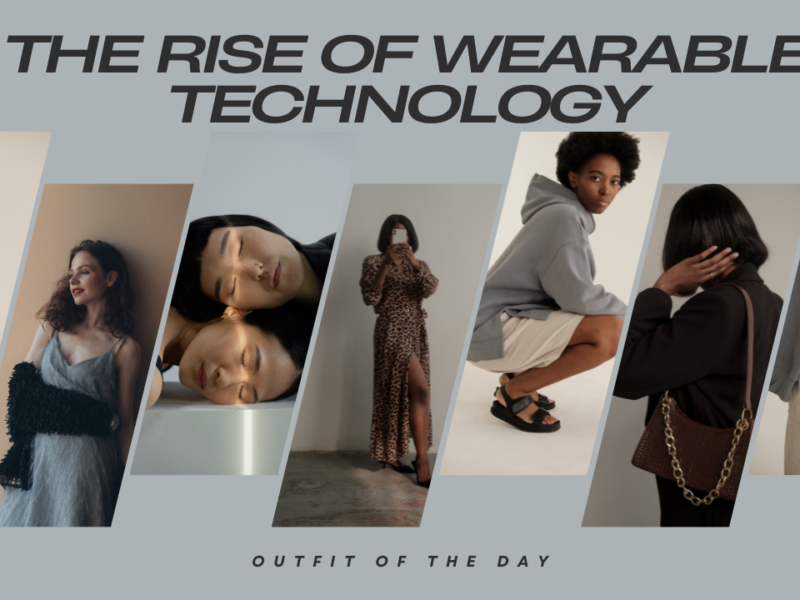
One of the exciting new ideas is smart textiles. Scientists are making fabrics that can react to the environment watch body temperature or even make electricity. Some experimental clothes have sensors that can check heart rate, body movement or how someone is standing. Others can change how warm they are based on the weather making clothes more comfortable and useful. These changes show that fashion is getting closer to health, sports and wearable technology.
Sustainability is a focus for new technology. Researchers are making fabrics from things like recycled plastic bottles, waste from farming, algae, mushrooms and other natural materials. These options help reduce using resources and lower pollution. Manufacturing methods are also getting better at using energy helping companies make fewer carbon emissions and use less water.With all these great changes technology has some problems. New machines cost a lot of money making it hard for small fashion companies to keep up with ones. Workers also need to learn skills to use the high-tech machines and digital systems. This means more people need to be taught and trained in the fashion world.
Security on the internet has become an issue. As fashion companies use digital tools and online shopping sites keeping customer information and company data safe has become really important. Companies need to spend on systems to keep people’s trust and stop online attacks.
The fast changes in technology mean that fashion companies must keep changing to stay in business. Companies that use ideas are more likely to do well while those that do not change might have trouble in a more digital world. Customers also gain because they get personal, easy and eco-friendly fashion options.
The Future of Fashion
Technology will stay a force in the future of fashion. As intelligence, robots, digital making, clothes that can do things and green materials keep getting better the fashion world will become smarter, faster and better, for the planet. These changes will not take away creativity; instead they will give designers and customers tools to make a future where fashion mixes art with science.
Artificial Intelligence in Fashion
Artificial Intelligence (AI) is one of the revolutionary technologies shaping the future of the fashion industry. AI refers to computer systems that can perform tasks requiring intelligence, such as learning, analyzing data recognizing patterns solving problems and making decisions. In years AI has become an important tool for fashion designers, manufacturers, retailers and consumers. From predicting fashion trends to improving customer experiences artificial intelligence is transforming every stage of the fashion industry.
Traditionally fashion designers relied on creativity, market research and previous fashion collections to develop new styles. Although creativity remains the foundation of fashion AI has introduced a way of understanding consumer preferences. Modern AI systems analyze millions of images videos, online searches, customer reviews and social media posts to identify patterns in fashion choices. This allows companies to predict which colors, fabrics, designs and styles are likely to become popular in the future.
Trend forecasting has become more accurate with the help of artificial intelligence. Fashion companies no longer need to rely on human observation to predict future trends. AI systems continuously collect information from platforms such as Instagram, TikTok, Pinterest and fashion websites. By analyzing this data companies can identify emerging trends before they become widely popular. This enables designers to prepare collections that match customer interests while reducing the risk of producing unwanted products.
Artificial intelligence has also improved the design process itself. Several fashion companies now use AI-powered software that can generate clothing designs based on requirements. Designers can enter information such as colors, materials, target audiences and seasonal themes and the software creates multiple design suggestions within seconds. These computer-generated ideas do not replace creativity but serve as valuable sources of inspiration. Designers can modify, improve and personalize these suggestions according to their vision.
One of the advantages of AI is personalization. Modern consumers increasingly prefer products that reflect their tastes rather than mass-produced designs. AI systems study customers shopping histories, favorite colors, preferred brands, body measurements and browsing behavior to recommend clothing that matches their style. This personalized shopping experience helps customers find products easily while increasing satisfaction and reducing unnecessary purchases.
Online fashion retailers have particularly benefited from AI technology. When customers visit a store AI-powered recommendation systems immediately suggest products that match their interests. These recommendations are based on purchases recently viewed items and preferences shared by similar customers. As a result online shopping becomes faster more convenient and more enjoyable.
Artificial intelligence has also improved customer service through assistants and chatbots. Many fashion websites now use AI-powered chatbots that answer customer questions twenty-four hours a day. These virtual assistants help customers choose sizes, track orders recommend products explain return policies and provide styling advice. Because AI systems respond instantly customers receive assistance without waiting for human representatives.
Virtual styling has become another application of artificial intelligence. Some fashion platforms offer AI stylists that create outfits based on individual preferences. After answering a questions about favorite colors, occasions, budgets and personal tastes customers receive personalized clothing combinations. This service helps people who struggle to choose outfits while introducing them to styles they may not have considered previously.
Size selection has always been one of the challenges in online fashion shopping. Many customers hesitate to purchase clothing because they cannot try it on before buying. Artificial intelligence addresses this problem by analyzing body measurements and comparing them with clothing dimensions. Some applications allow customers to upload photographs or body measurements enabling AI systems to recommend the suitable size. This technology reduces return rates while improving customer confidence.
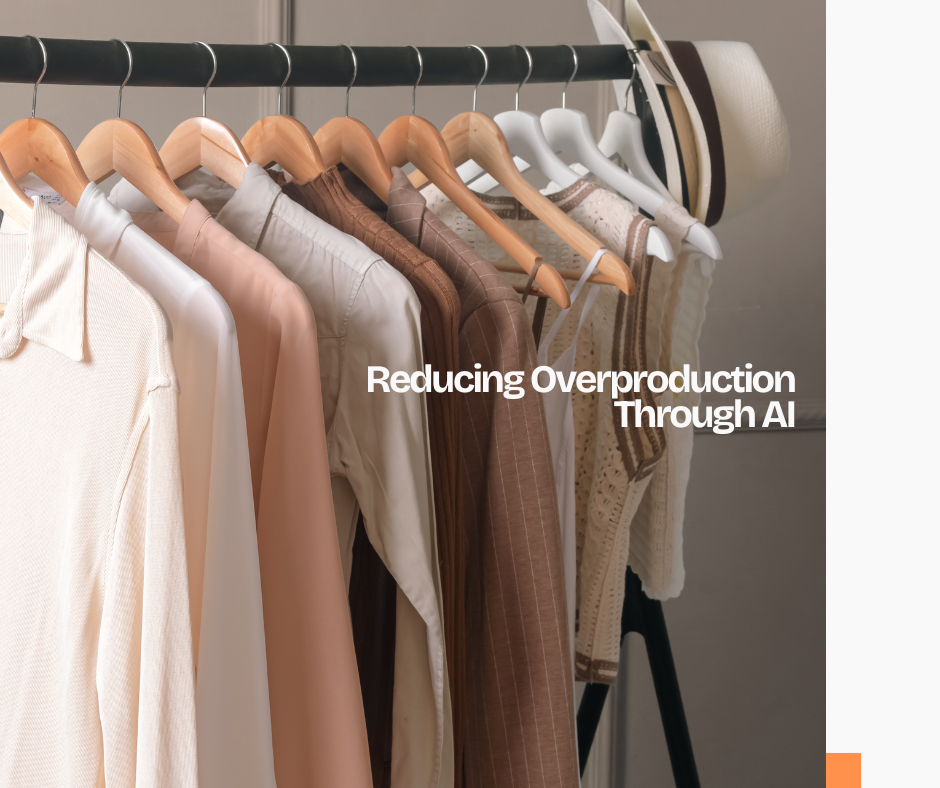
Artificial intelligence is also helping fashion companies improve inventory management. In retail businesses often produce large quantities of clothing based on estimated demand. This sometimes results in products that eventually become waste. AI systems analyze sales data, weather forecasts, seasonal trends and customer behavior to predict demand more accurately. Companies can therefore manufacture quantities of clothing reducing overproduction and minimizing environmental impact.
Supply chain management has become more efficient through AI. Fashion companies use systems to monitor manufacturing processes, transportation networks, warehouse operations and delivery schedules. These systems identify delays recommend alternative solutions and improve communication between suppliers and retailers. As a result products reach customers quickly and efficiently.
Artificial intelligence also contributes significantly to quality control. Modern factories use AI-powered cameras and image recognition systems to inspect fabrics and finished garments. These systems detect defects such as stitching, damaged materials, incorrect colors or missing components with remarkable accuracy. Early detection reduces waste. Ensures higher product quality before garments reach consumers.
Marketing has undergone a transformation due to artificial intelligence. Companies analyze consumer data to create targeted advertising campaigns. Of showing identical advertisements to everyone AI delivers personalized promotions based on individual interests and shopping habits. Customers receive recommendations for products they’re more likely to purchase making advertising more effective and less intrusive.
Fashion brands also use artificial intelligence to understand public opinion. AI systems examine comments, reviews, social media discussions and customer feedback to determine how consumers feel about products or campaigns. This information helps companies improve collections strengthen customer relationships and respond quickly to changing market demands.
Sustainability has become another area where artificial intelligence is making a positive impact. AI helps companies optimize fabric cutting to reduce material waste during manufacturing. It also predicts consumer demand accurately preventing excessive production and reducing unsold inventory. Furthermore AI assists researchers in developing friendly materials and more energy-efficient production methods. These contributions support the movement toward sustainable fashion.
Despite its advantages artificial intelligence also presents certain challenges. Developing AI systems requires significant financial investment making them more accessible to large companies than small businesses. There are also concerns about data privacy because AI relies heavily on customer information. Fashion companies must ensure that personal data is collected responsibly and protected against access.

Another concern is the impact of automation on employment. As AI systems perform tasks traditionally completed by humans some manufacturing and administrative jobs may change or disappear. However many experts believe that AI will create career opportunities in areas such as data science, digital design, robotics and technology management. Of replacing human creativity AI is expected to support designers by handling repetitive tasks while allowing creative professionals to focus on innovation.
Education will play a role in preparing future fashion professionals for this technological transformation. Designers, marketers, manufacturers and retailers will need to develop skills alongside traditional fashion knowledge. Universities and fashion institutes are already introducing courses that combine fashion design with intelligence, computer programming and digital technologies.
The future relationship between fashion and artificial intelligence will likely become even stronger. AI-powered virtual fashion assistants, automated manufacturing systems, intelligent fabrics and personalized clothing collections may become common features of everyday life. As technology continues to evolve artificial intelligence will help create a fashion industry that’s more efficient, sustainable, innovative and responsive to the needs of consumers.
Than replacing human imagination artificial intelligence is becoming a powerful partner that enhances creativity improves decision-making and supports responsible business practices. Its continued development will undoubtedly play a role in shaping the future of fashion making the industry more adaptable, to changing consumer expectations and global challenges.
Sustainable Fashion and Environmental Responsibility
Sustainability has become one of the most important topics in the modern fashion industry. As environmental problems continue to increase around the world, fashion companies, designers, governments, and consumers are recognizing the need to change the way clothing is produced and consumed. The future of fashion depends not only on creativity and innovation but also on protecting the environment and ensuring ethical business practices. Sustainable fashion aims to reduce pollution, conserve natural resources, minimize waste, and improve the lives of workers involved in clothing production.
Textile waste has become another major concern. Millions of people purchase clothes frequently because fashion trends change rapidly. Many garments are worn only a few times before being thrown away. Every year, millions of tons of clothing end up in landfills, where some fabrics take decades or even centuries to decompose. This growing waste problem has encouraged governments, environmental organizations, and fashion companies to search for more sustainable solutions.
One of the main causes of excessive textile waste is the rise of fast fashion. Fast fashion refers to the rapid production of inexpensive clothing designed to follow the latest trends. Companies introduce new collections almost every week, encouraging consumers to purchase more clothes than they actually need. Although fast fashion provides affordable clothing, it also encourages overconsumption and increases pressure on natural resources. As awareness of these issues grows, many consumers are beginning to question whether constantly buying new clothes is truly beneficial for society and the environment.
Sustainable fashion offers an alternative approach by encouraging responsible consumption and environmentally friendly production methods. Instead of focusing on quantity, sustainable fashion emphasizes quality, durability, and long-lasting designs. Consumers are encouraged to purchase fewer garments that can be worn for many years rather than buying inexpensive clothing that quickly becomes outdated or damaged.
Fashion designers are also exploring new materials that reduce environmental impact. Organic cotton has become increasingly popular because it is grown without many harmful pesticides and chemical fertilizers. Other environmentally friendly materials include hemp, bamboo fibers, recycled polyester, recycled cotton, and fabrics made from agricultural waste. Researchers are even developing innovative textiles from mushrooms, algae, pineapple leaves, orange peels, banana fibers, and seaweed. These materials demonstrate how science and fashion can work together to create sustainable alternatives to traditional fabrics.
Recycling has become an essential part of sustainable fashion. Many companies now collect used clothing from customers and recycle the materials into new garments. This process reduces the demand for new raw materials while preventing clothing from ending up in landfills. Some fashion brands also redesign old garments into modern collections, giving unwanted clothing a second life. Recycling not only conserves natural resources but also reduces energy consumption and greenhouse gas emissions.
Upcycling has gained popularity as another creative solution. Unlike recycling, which breaks materials down into raw components, upcycling transforms existing garments into new products without destroying the original fabric. Designers create jackets from old denim, handbags from discarded materials, and fashionable accessories from leftover textiles. Upcycling encourages creativity while reducing waste and promoting individuality. Many young designers have embraced this approach because it combines artistic expression with environmental responsibility.
Second-hand shopping has also become an important trend among environmentally conscious consumers. Thrift stores, vintage shops, and online resale platforms allow people to purchase high-quality clothing at affordable prices while extending the life of existing garments. Buying second-hand clothing reduces demand for new production and helps decrease textile waste. In recent years, many teenagers and young adults have embraced vintage fashion not only because it is sustainable but also because it offers unique styles that cannot easily be found in regular retail stores.
ayesha
Although sustainable fashion has made significant progress, many challenges remain. Environmentally friendly materials are often more expensive than conventional fabrics, making sustainable products less affordable for some consumers. Smaller fashion companies may also struggle to invest in advanced technologies and sustainable manufacturing systems. However, as innovation continues and consumer demand grows, sustainable fashion is expected to become more accessible and cost-effective.
The future of fashion will likely be defined by the successful integration of sustainability into every stage of the industry. Designers will continue developing innovative materials, manufacturers will adopt cleaner production methods, and consumers will make more responsible purchasing decisions. Instead of measuring success only by profits and sales, the fashion industry will increasingly focus on environmental protection, social responsibility, and long-term sustainability.
Sustainable fashion is not simply a temporary trend; it represents a fundamental transformation in the way society views clothing and consumption. By embracing environmentally responsible practices, supporting ethical production, and encouraging innovation, the fashion industry can create a future where style, creativity, and sustainability exist together in harmony. This transformation will benefit not only the fashion industry but also future generations who will inherit a healthier and more sustainable planet.
Digital Fashion, Smart Fabrics and the Future of Fashion Retail
The future of fashion is not about the clothes we wear. Digital fashion is an exciting idea that is changing the way we think about clothes and how we express ourselves. Digital fashion is clothing that only exists on computers and phones and people can wear it in worlds like social media, online games and virtual reality. Even though you cannot wear clothes in the real world lots of people like them including people who love technology, fashion designers and young people who spend a lot of time online.
Digital fashion is connected to media and how we talk to each other online. Millions of people share pictures and videos online. How we look online is almost as important as how we look in person. Some designers make clothes that people can buy and use in pictures or online characters. These clothes let people try out styles without making real clothes, which helps reduce waste and lets people be more creative.
The gaming industry has helped make digital fashion popular. Many online games let players customize their characters with clothes, accessories and hairstyles. These virtual outfits have become valuable. Some players spend a lot of money to make their characters look special. Fashion brands have seen this opportunity. Are working with gaming companies to make exclusive virtual clothes. This introduces fashion to people and helps the fashion industry be a part of online entertainment.
The metaverse is an idea that will change fashion even more. The metaverse is a world where people can work, learn, socialize and shop using digital characters. In this world fashion will be a way for people to express themselves and show who they are. People may have both digital closets and they will choose what to wear based on whether they are going to a real event or an online activity. This new kind of fashion could be a source of income for designers and brands in the future.
Another big innovation in fashion is the development of fabrics. Smart fabrics are materials that have technologies that can respond to the environment or monitor the body. Unlike fabrics smart fabrics can do more than just cover the body. Scientists and engineers are making fabrics that improve comfort, health, safety and performance.
Some smart fabrics can regulate body temperature automatically. In weather these fabrics release extra heat to keep the wearer cool and in cold weather they provide extra insulation to keep the wearer warm. This kind of clothing could be especially useful for athletes, people who work outside travelers and people who live in hot or cold places. By adjusting to the temperature these clothes make people more comfortable. Reduce the need for multiple layers.
Smart fabrics can also monitor health. Researchers have made clothes with sensors that can measure heart rate, breathing, body temperature, blood pressure and physical activity. These clothes can send health information directly to phones or doctors allowing for monitoring without the need for separate medical devices. This technology could be especially valuable for people people with chronic illnesses and athletes who need to monitor their health all the time.
ayesha
As technology advances the line between digital fashion will become blurrier. Smart fabrics, devices, virtual clothes, personalized shopping and innovative retail systems will redefine how people interact with fashion. These developments show that the future of fashion will be technologically advanced, sustainable, personalized and connected to everyday life. The combination of creativity, science and digital innovation promises to create a fashion industry that’s more responsive to the needs of both consumers and the environment. Digital fashion and smart fabrics will play a role, in this future and they will change the way we think about clothes and how we express ourselves. The future of fashion is exciting. It will be shaped by digital fashion, smart fabrics and the people who wear them.

Changing Consumer Behavior, Future Fashion Careers, Challenges, Opportunities, and Conclusion
The future of fashion will be shaped not only by technological innovation and sustainable practices but also by changing consumer behavior. Modern consumers are becoming more informed, selective, and socially responsible than previous generations. They no longer purchase clothing based solely on appearance or brand popularity. Instead, many people consider factors such as quality, environmental impact, ethical production, comfort, durability, and personal values before making purchasing decisions. This shift in consumer attitudes is encouraging fashion companies to rethink their business strategies and develop products that meet the expectations of a more conscious society.
One of the most significant changes in consumer behavior is the growing demand for transparency. Customers want to know where their clothes are made, what materials are used, and whether factory workers receive fair wages and safe working conditions. Fashion brands are responding by sharing detailed information about their supply chains and sustainability initiatives. Many companies now include labels explaining the origin of fabrics, manufacturing processes, and environmental certifications. This openness builds trust between businesses and consumers while promoting ethical practices throughout the fashion industry.
Personalization has also become a major expectation among modern consumers. Rather than buying identical products that are available to everyone, many people prefer clothing that reflects their individuality. Advances in artificial intelligence, digital design, and automated manufacturing have made personalized fashion more practical and affordable. Customers can now customize colors, fabrics, sizes, patterns, and even design elements according to their preferences. In the future, made-to-order clothing may become more common, reducing unnecessary production while increasing customer satisfaction.
Another important trend is the increasing popularity of the circular economy in fashion. Instead of following the traditional model of producing, using, and discarding clothing, the circular economy encourages repairing, reusing, recycling, and reselling garments. Fashion companies are introducing clothing repair services, take-back programs, and resale platforms that allow customers to extend the life of their garments. This approach reduces waste, conserves natural resources, and supports long-term environmental sustainability.
Subscription-based fashion services are also becoming more common. Instead of purchasing new clothes regularly, customers can subscribe to clothing rental programs that provide access to different outfits for a monthly fee. This model is particularly popular for formal wear, maternity clothing, and designer fashion because it allows consumers to enjoy variety without contributing to excessive consumption. Such services represent an important step toward more sustainable fashion habits.
As the fashion industry evolves, new career opportunities are emerging. Traditional professions such as fashion design, tailoring, merchandising, and retail management remain important, but technological innovation has created entirely new fields of employment. Fashion companies increasingly require professionals with expertise in artificial intelligence, data analysis, digital marketing, three-dimensional design, virtual reality, augmented reality, robotics, and sustainable manufacturing. These careers combine creativity with technology, offering exciting opportunities for future generations.
The Future of Fashion
Digital fashion designers are becoming increasingly valuable as virtual clothing gains popularity. These professionals create garments that exist only in digital environments, including online games, social media, virtual reality platforms, and the metaverse. Similarly, wearable technology specialists design smart clothing that combines fashion with electronics, healthcare, and communication technologies. Sustainability consultants help fashion companies reduce environmental impact, while supply chain analysts improve manufacturing efficiency and ethical sourcing. These emerging professions demonstrate how the future of fashion will require interdisciplinary knowledge and continuous learning.
Education will play a crucial role in preparing future fashion professionals. Universities and fashion institutes are expanding their programs to include subjects such as artificial intelligence, sustainable textiles, digital design, business analytics, and environmental science. Students will need both creative skills and technical expertise to succeed in an industry that is becoming increasingly technology-driven. Lifelong learning will become essential as new innovations continue to transform fashion at a rapid pace.
Despite its promising future, the fashion industry also faces significant challenges. Climate change remains one of the greatest threats because textile production consumes large amounts of energy and natural resources. Reducing greenhouse gas emissions, conserving water, and minimizing pollution require substantial investment and international cooperation. Fashion companies must continue developing environmentally friendly materials and cleaner production methods to meet global sustainability goals.
Economic uncertainty presents another challenge. Inflation, changing consumer spending patterns, and disruptions in global supply chains can affect clothing production and retail sales. Companies must develop flexible business strategies that allow them to adapt to changing market conditions while maintaining product quality and affordability. Technological investments can improve efficiency, but they also require considerable financial resources, particularly for smaller businesses.
Data privacy and cybersecurity have become increasingly important as fashion companies rely more heavily on digital technologies. Online shopping platforms collect large amounts of customer information, making data protection a top priority. Businesses must implement strong security systems to protect personal information and maintain consumer trust. Failure to do so could damage brand reputation and reduce customer confidence.
Another challenge involves balancing automation with employment. While robotics and artificial intelligence improve efficiency, they may also reduce demand for certain traditional jobs. Governments, educational institutions, and businesses must work together to provide training programs that help workers develop new skills for technology-based careers. By focusing on education and professional development, society can ensure that technological progress creates opportunities rather than inequality.
The future of fashion also presents remarkable opportunities. Advances in biotechnology may lead to the development of entirely new fabrics that are biodegradable, self-repairing, or capable of adapting to different environmental conditions. Artificial intelligence will continue improving personalization, allowing consumers to enjoy clothing designed specifically for their needs. Digital manufacturing technologies will reduce waste while increasing production efficiency. Virtual reality and augmented reality will create immersive shopping experiences that combine entertainment with convenience.
Global collaboration will become increasingly important as fashion companies, governments, researchers, and environmental organizations work together to solve common challenges. International partnerships will encourage the sharing of knowledge, technology, and sustainable practices. Such cooperation will help create a fashion industry that benefits both businesses and society while protecting the environment for future generations.
Fashion will also become more inclusive and representative. Designers are increasingly creating clothing for people of different ages, body types, abilities, cultures, and gender identities. This commitment to diversity reflects changing social values and encourages greater confidence among consumers. Fashion is gradually moving away from unrealistic beauty standards and embracing individuality, authenticity, and self-expression.
Looking ahead, the fashion industry is likely to become more innovative than ever before. Digital technology, artificial intelligence, smart textiles, sustainable materials, and personalized manufacturing will redefine the relationship between people and clothing. Consumers will enjoy products that are not only stylish but also environmentally responsible, technologically advanced, and tailored to their individual needs. Companies that successfully combine creativity, sustainability, and innovation will lead the fashion industry into a new era of responsible growth.
Conclusion
The future of fashion represents a fascinating combination of creativity, science, technology, and environmental responsibility. Throughout history, fashion has evolved in response to social, cultural, and technological changes, and this process will continue in the decades ahead. Artificial intelligence, digital fashion, smart fabrics, sustainable manufacturing, and innovative retail systems are transforming every aspect of the industry, creating new opportunities for designers, businesses, and consumers alike.
Ultimately, fashion is more than clothing; it is a reflection of human creativity, culture, identity, and progress. As technology continues to advance and environmental awareness grows, the fashion industry has the opportunity to become more inclusive, sustainable, and innovative than ever before. By embracing these changes, fashion can continue to inspire individuals while contributing to a healthier planet and a better future for generations to come.