Future of Fashion: AI and Technology
Fashion has always been connected with creativity, culture, society and technological development. From clothes to modern factories and online shopping the fashion industry has changed greatly over time. Today Artificial Intelligence (AI). Advanced technology are creating another major transformation. Technologies such as AI, virtual reality augmented reality, 3D design, smart fabrics, robotics and data analytics are changing the way fashion is designed produced, marketed and purchased.
Future of Fashion
The future of fashion will not be about attractive clothes and new trends. It will also focus on personalization, sustainability, efficiency and digital experiences. Technology will help fashion companies understand customers better reduce waste create designs and offer completely new ways of experiencing clothing.
).png)
Artificial Intelligence in Fashion
Artificial Intelligence is becoming one of the important technologies in the fashion industry. AI can analyze amounts of information about fashion trends, customer preferences, colors, fabrics, designs and purchasing behavior. By studying this information AI can help fashion companies predict what customers may want in the future.
For example AI can analyze media posts, online searches, customer reviews and shopping patterns to identify upcoming trends. This allows fashion brands to make decisions about what products they should create. It can also reduce the risk of producing clothes that customers do not want.
AI is also becoming a tool for fashion designers. Designers can use AI to generate ideas for patterns, colors, shapes and complete collections. Of replacing designers AI can work as a creative assistant. It can provide possibilities and help designers experiment with ideas more quickly. Human creativity will remain important because fashion is strongly connected to emotions, culture, identity and personal expression.
Personalized Fashion
One of the changes in the future of fashion will be personalization. Every customer has preferences, body measurements, lifestyle and sense of style. AI can use information about these factors to provide recommendations.
In the future online fashion stores may know a customers colors, favorite brands, usual sizes and previous purchases. AI could then recommend outfits according to the customers personality, budget, occasion and lifestyle.
This could make shopping faster and easier. Of spending hours searching through thousands of products customers could receive recommendations specifically selected for them. AI may eventually work like a digital fashion stylist.
Try-On and Online Shopping
Online shopping has become a major part of the fashion industry but one common problem is finding the correct size and fit. Customers sometimes order clothes that do not fit properly and then return them.
Artificial Intelligence, augmented reality and 3D body scanning can help solve this problem. Customers may be able to create a version of themselves and virtually try on clothes before purchasing them. They could see how different colors, styles and sizes look on their bodies.
Future of Fashion
This technology could make online shopping more convenient. Reduce the number of returned products. It could also help fashion companies save money and reduce waste caused by transportation and packaging.
Reality and Digital Fashion
Virtual Reality (VR) and Augmented Reality (AR) are creating new opportunities for fashion. In the future customers may attend fashion shows from their homes. They could enter stores look at clothing from different angles and interact with products in three-dimensional environments.
Digital fashion is another growing area. Digital clothes are garments that exist in virtual environments. People can use them for avatars, video games, social media, virtual events and other digital spaces.
Future of Fashion
As people spend time online their digital appearance may become increasingly important. Digital fashion can also reduce impact because virtual clothing does not require physical fabric, water, energy, transportation or packaging.

Sustainable Fashion Through Technology
Sustainability is one of the challenges facing the fashion industry. Traditional fashion production uses amounts of water, energy, chemicals and raw materials. It also creates textile waste.
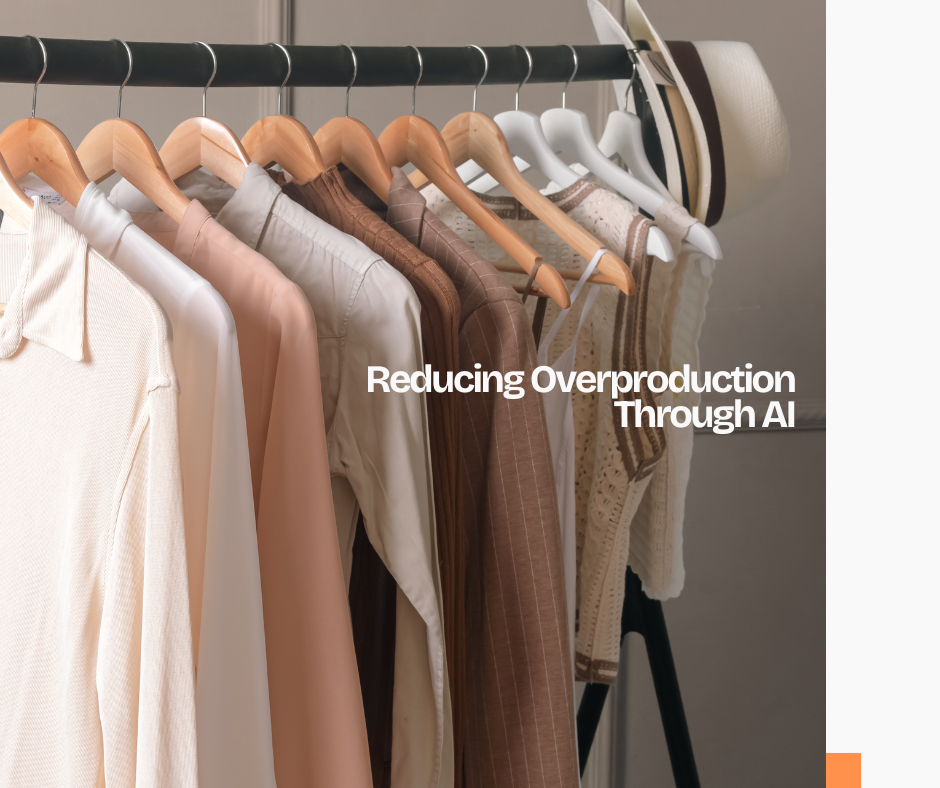
Technology can help make fashion more sustainable. AI can predict customer demand accurately allowing companies to produce the right quantity of clothing. This can reduce overproduction and unsold inventory.
3D design technology can also reduce waste because designers can create and test samples before producing physical ones. In addition advanced recycling technologies may allow old clothing and textile waste to be converted into materials.
Technology can therefore help fashion companies move toward an environmentally responsible future.
Smart Fabrics and Wearable Technology
Smart fabrics are another development in fashion. These materials can respond to temperature, moisture, light, movement or other environmental conditions. Future clothing may be able to provide functions that traditional clothes cannot.
For example smart clothing could help regulate body temperature or monitor activity. This could be especially useful for athletes, healthcare workers, travelers and people working in environments.
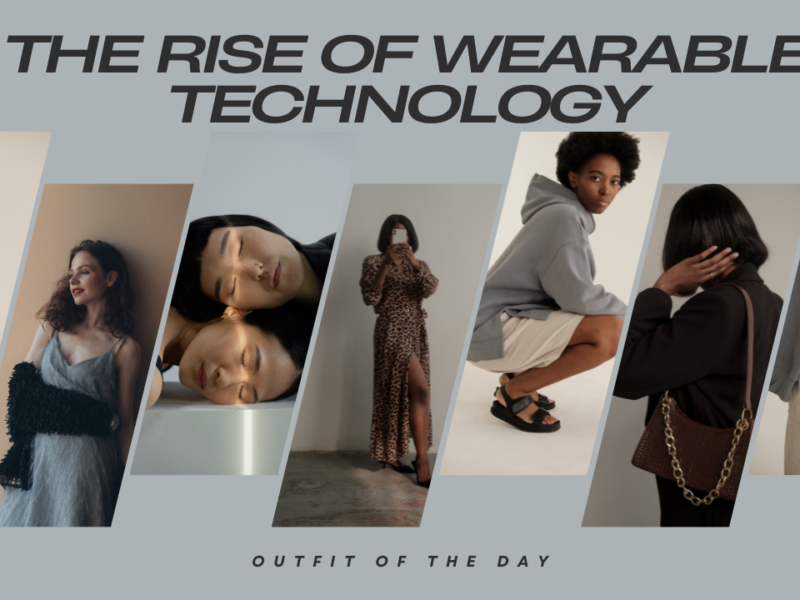
Wearable technology is already common through smartwatches and fitness trackers. In the future technology may become directly integrated into clothing. Jackets, shoes, shirts and sportswear could communicate with smartphones and other devices.
This could transform clothing from something we simply wear into something that actively interacts with our bodies and environment.
Robotics and Automated Production
Robotics and automation will also change the way clothes are manufactured. Fashion production traditionally requires workers to perform repetitive tasks. Modern machines and robotic systems can perform some of these tasks quickly and accurately.
Automated systems can assist with fabric cutting, quality control, packaging, storage and transportation. This can improve production efficiency. Reduce certain manufacturing errors.
However automation also creates concerns about employment. Millions of people around the world work in the clothing and textile industries. If machines replace many human workers some jobs could disappear.
For this reason technological development should be balanced with the needs of workers. Education and training can help employees develop skills and work alongside advanced technologies.
3D Printing in Fashion
3D printing is another technology that could have an impact on fashion. Designers can use printers to create unusual clothing structures, shoes, accessories and other fashion products.
One advantage of 3D printing is customization. Products can potentially be created according to a persons measurements and preferences. It can also reduce material waste because products can be manufactured precisely.
Although 3D-printed clothing is still developing future improvements could make this technology more affordable and practical. It may eventually become a part of customized fashion production.
The Role of Data
Data is becoming extremely valuable to fashion companies. Every online search, purchase, review and social media interaction can provide information about customer behavior.
Fashion companies can analyze this information to understand what people like and what they are likely to buy. This can help brands improve their products and marketing strategies.
However the use of data also creates privacy concerns. Companies must protect customer information. Clearly explain how it is collected and used. Consumers should have control over their information especially when AI systems use it to make recommendations.
Changing Role of Fashion Designers
Technology will not necessarily replace fashion designers. It will change their roles. Future designers may need to understand AI, digital design, data analysis, sustainable materials and virtual fashion environments.
A successful designer of the future may combine artistic skills with technological knowledge. Designers will still provide creativity and emotional understanding while technology will help them develop ideas, test designs and understand customers.
Fashion education will therefore need to change well. Students will need both skills and technical knowledge to succeed in the modern fashion industry.
Social Media and Future Fashion Trends
Social media has already changed how fashion trends spread. A new style can become popular around the world within a short time. Influencers, celebrities, designers and ordinary users can all contribute to fashion trends.
AI can analyze media activity and identify popular styles much faster than humans can. Fashion companies can use this information to respond to changing customer interests.
However the speed of media can also encourage overconsumption. People may buy clothes simply because a trend is popular for a period. The future fashion industry will need to find a balance between moving digital trends and responsible consumption.
Ethical Challenges of AI in Fashion
Although AI offers benefits it also creates ethical challenges. AI-generated designs may raise questions about originality and copyright. If an AI system learns from thousands of existing designs it can sometimes be difficult to determine whether a new design is truly original.
There are also concerns about privacy, employment and bias. AI systems can make mistakes. Produce unfair results if they are trained using biased information.
Future of Fashion
Fashion companies will therefore need to use AI. Clear rules about data, copyright, transparency and human responsibility will become increasingly important.
The Future of Circular Fashion
The future of fashion may move toward a circular economy. Of producing clothes wearing them for a short time and throwing them away products could be designed to be repaired, reused, resold and recycled.
Technology can support this system by providing information, about the materials used in clothing. Digital records could help consumers and recycling companies understand how garments should be reused or recycled.
This approach could reduce waste. Make the fashion industry more environmentally friendly.
The future of fashion will be strongly influenced by Artificial Intelligence and technology. AI will help designers create ideas predict trends and personalize products. Virtual reality and augmented reality will change shopping experiences while smart fabrics and wearable technology will give clothing functions. Robotics, 3D printing and advanced manufacturing will make production faster and more flexible.

At the time technology can help fix some of the biggest environmental issues in fashion by cutting down waste making production planning better and helping with recycling.. Technology needs to be balanced with human creativity, jobs, privacy and being responsible in an ethical way.
Future of Fashion
Fashion will not just be a fight between people and machines. Instead the future will depend on working between human creativity and smart technology. Designers will still bring ideas and artistic views while technology will offer tools to make those ideas real.
The fashion industry of the future is expected to be personal, better for the environment, digital and full of new ideas. If technology is used the way it can build a fashion world that is not only more fun but also more efficient and better for the planet. The future of fashion is not about what people will wear—it is, about how technology will change the way people make, feel and think about fashion.