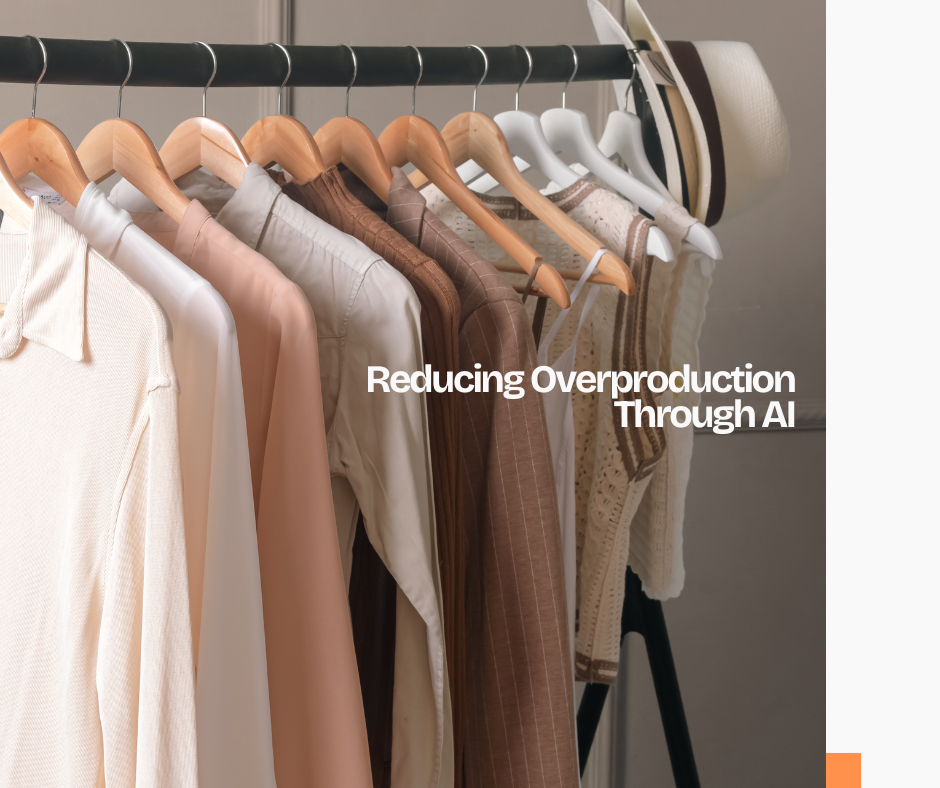
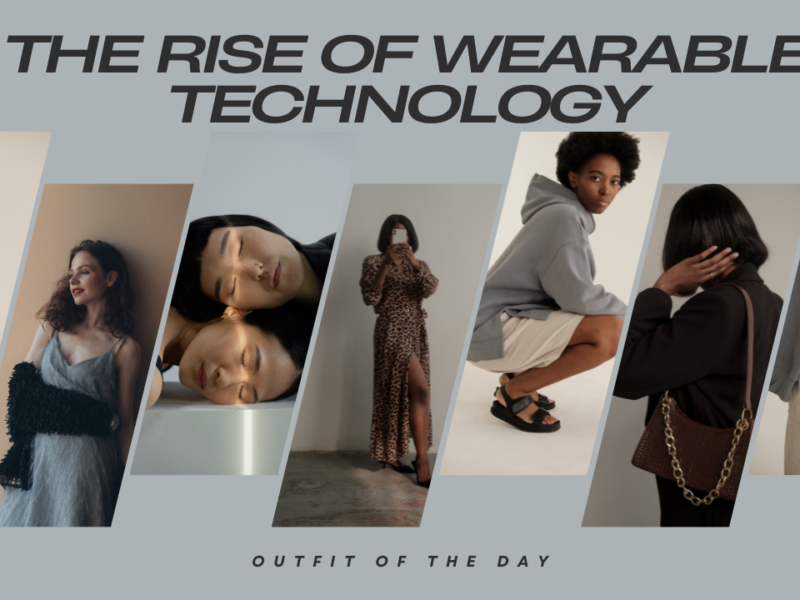
When people wear certain clothes they portray their personality through the garments.
Introduction
Fashion is much more than the clothes people wear every day. It is a potent medium of expression that conveys an individual’s identity, beliefs, way of life and feelings without the use of words. Fashion has been a lasting companion of human civilization, and it has developed in accordance with the traditions of the people, technologies, economic conditions, and social values. Today, fashion is a language that is shared by all and transcends geographical, cultural, and social borders between people.
Each person is an individual with a personality and fashion can be a way of displaying that individuality. Our colours, our styles, our accessories, and even how we mix and match all parts of our wardrobe express a part of us. Others opt for traditional and sophisticated attire, conveying a sense of style and professionalism, while others choose to don bold colors and contemporary styles, showcasing their creativity and confidence. Fashion is more than just following trends; it is about showcasing oneself to the world.
In the digital age, the connection between fashion and personality is now more profound. Social media has revolutionized the fashion world by enabling people to share their unique fashion sense with the whole world. Anyone with a personality can create a fashion that can be a source of inspiration for millions of others. With all the changes, though, the actual intent of fashion remains unchanged: to help people tell who they are.
This article delves into the intimate relationship between fashion and personality. It explores the role of clothing in boosting self-esteem, in expressing cultural identity, in creating a first impression and in enhancing self-development. It also explores the role that contemporary technology, sustainability and emerging trends in fashion play in the expression of individuals.
Understanding Fashion
What Is Fashion?
Fashion is the style of clothing, shoes, accessories, hair and make up, and personal appearance that are in fashion at a specific time. But fashion goes beyond just passing fashions. It is an active mode of communication that conveys social values, historical events, artistic creativity and personal identity.
Fashion is an ever-changing phenomenon for its reason is the ever-changing society. The way people dress is influenced by new technologies, cultural movements, economic developments and global communication. Personal style is different from trends as it’s an individual’s personal style and not public opinion.
Fashion is found in all countries of the world. Clothing conveys status, tradition, occupation, religion and personal taste in all societies although styles vary from country to country. From traditional to modern clothing, people’s fashion sense sometimes has significance beyond what is seen.
The Evolution of Fashion
Fashion has a long history with a thousand years of history. Clothing in ancient civilizations like Egypt, Greece, Rome, India and China was a symbol of social class, religion, and culture. People who are wealthy wore pretty rich fabrics and precious jewels and items which were extremely elaborate, whereas people who are not wore simpler fabrics that were appropriate for everyday wear.
In much the way that it was during the Middle Ages, fashion was linked to royalty and nobility. Fancy fabrics such as silk, velvet and fine embroidery were used to represent wealth and power. In some countries, even fabric and colors were regulated for different classes of people.
The Industrial Revolution had a profound effect on the fashion industry. Clothing became more affordable and available to the common folk due to mass production. The growth of textile industries led to an increase in the availability of fashion to a greater number. Seasonal collections were introduced by designers and fashion started to become a global phenomenon.
The twentieth century brought about a very fast rate of innovation in the field of fashion. Influential designers started to create new and revolutionary designs that changed the notion of clothing. Women’s designs were made more utilitarian, men’s designs were adapted to the changing lifestyle and youth culture was given great influence over the global fashion trends.
Digital technology, e-commerce, AI and social media influence fashion today. Consumers can find new trends in real-time, buy fashion from foreign brands, and even create new outfits with digital platforms.
Fashion as a Language
Fashion is one of the most remarkable things, that it communicates without words. Many people make judgements about other people before they speak. Clothes can convey confidence, professionalism, creativity, elegance, simplicity or individuality.
For instance, a man wearing a well-fitted suit is seen as responsible and organized in the workplace. A person with something unusual or colorful clothes can show creativity and originality. Athletes may wear clothes that reflect energy and discipline, and students may wear clothes that are comfortable to learn and to be active in daily activities.
Emotion is also conveyed through fashion. Colors convey different meanings, where light hues are often associated with joy, positivity and happy emotions, dark shades could suggest seriousness, elegance or mystery. Wedding, funeral, festival, interview, and celebration attire is both indicative of personal feelings and cultural norms.
Fashion is an expression of identity and many individuals choose their clothes based on the message they wish to convey. This is an example of how clothing is not only functional, but it is also a language that creates social interaction.
Fashion and personality are connected.Fashion and personality go hand in hand.
Each individual has a set of traits, values, interests, and/or experiences that are different. These are the characteristics that make up personality, and fashion is one of the most apparent ways of showing it.
People who appreciate simplicity prefer simple, neutral-color, and simple designs in their clothing. Bold prints, bright colors and unusual accessories are suitable for those with adventurous personalities. Creative people often mix and match styles to produce unique looks that are uniquely their own.
Confidence is also a key factor of fashion. People feel more self-confident when they are dressed properly for their comfort and/or appeal. This confidence translates to body language, communication and behavior. This is because fashion contributes to self-perception as well as others’ perception of us.
Keep in mind that fashion itself doesn’t determine personality; it’s a matter of personality and how it affects choices. Many people don’t go with the crowd, but opt to have a distinctive style throughout their life. This personal style is then manifested visually as their identity.
The importance of personal style.
Personal style is not necessarily a fashion trend. The styles evolve seasonally, but personal style takes time to build, as it comes with experience, preference and self discovery. It’s a reflection of the way that someone wants to come across.
Having a personal style can have a number of advantages. It enables people to make decision with confidence about their fashion, avoids the reliance on trendiness and promotes authenticity. Individuals who know themselves are more likely to select outfits which match their personality, lifestyle and physique.
Personal style also fosters self acceptance. Rather than comparing themselves with other people, people learn to value their own strengths and make a statement quite confidently using their clothing. This enhances identity and emotional health.
In the end, the point of fashion is that it is authentic, not imitative. When wearing clothes that are truly a reflection of one’s personality, an individual can naturally express their confidence, creativity and individuality.

Fashion is a sign of personality.
The next part of this course focuses on the psychology of fashion and how it can be used as a powerful tool for personal expression.
The Psychology Behind Fashion
Fashion is closely related to human psychology. Often the clothes that people wear say a lot about the feelings, attitudes, beliefs and even the state of mind that they have. Clothing is thought to affect both the self-concept and the perception of others. The tie between clothes and acting is occasionally called the notion of “enclothed cognition,” which implies that what we wear can impact our confidence, thinking and execution.
A student who is dressed appropriately and comfortably in clothing might be better equipped to take part in a significant presentation, for instance. Similarly, in a meeting or an interview a professional in a formal business outfit will be more comfortable and confident. As these examples demonstrate, fashion is more than just about how we look; it affects our thoughts, feelings, and actions.
The psychology of fashion is one of the reasons why people opt for specific fashion for various events. Professionalism and responsibly are linked with formal clothing, whereas comfort and relaxation are linked with casual clothing. Sportswear promotes activity and movement, while traditional clothing may foster pride and a sense of belonging.
Knowing how fashion affects the mind can guide people in making informed decisions about their attire, aligning it with their objectives and emotional state.
Self-expression is a key aspect of fashion.Fashion is a way to express yourself.The statement of any individual can be expressed through their clothing.
Each of us is different and fashion offers lots of ways to be different. As opposed to spoken language, fashion speaks but doesn’t talk. It conveys a message about who we are, what we believe in, and how we want others to view us.
Some people like to wear simple and elegant clothes because they love the simplicity and elegance in them. Others like colorful outfits, creative patterns and bold accessories as they appreciate originality and artistic expression. There is no right or wrong, both are good and are a true reflection of a person’s personality and lifestyle.
Fashion is also a way for people to express their interests and passions. An athlete could have sportswear on a regular basis, whereas an artist could opt for out-of-the-box and imaginative outfits. When musicians, tourists, business people, and students listen to music, travel, start a business, or attend schools, they adopt unique styles that mirror their identity and lifestyle.
Having the freedom to dress oneself gives rise to creativity. Combination of colors, manipulation of fabrics and the fusion of old and new techniques and styles can help people design a personal image that is original and significant.
Fashion and Self-Confidence
The first step in developing confidence is to get the right look.
There are many advantages to dressing well, and one of these is confidence. Often, people feel more positive, energetic and self-confident when they feel comfortable in their clothes. While fashion can’t alter a person’s personality, it could boost self-confidence by boosting the way people feel about themselves.
Clothes that fit and complement a person’s personality often make them feel more confident in their attire. That confidence translates into both posture, eye contact and communication and behavior. One can usually leave a better, more positive impact on others when one has a strong sense of confidence.
But confidence is about being authentic, not pricey brands. Dressing up in expensive clothes may not boost confidence if you don’t feel comfortable in them. However, simple, clean and well selected dresses can make individuals feel better and relaxed.
It takes confidence in fashion to know one’s own tastes, but not to require others’ approval. Fashion should be used as a means to express individuality, not to conform to unrealistic expectations.
Colors play an important role in fashion.Colors are a big part of fashion.Colors have an impact on personality.Colors have an effect on personality.The colors affect the human feelings and perception. Before the words are spoken, they will express feelings often. Fashion designers choose an appropriate combination of colors as each color leaves a different impression.
The color black is typically considered to be elegant, authoritative, and stylish. Black is a great choice of color for professionals to wear on formal days because it is a symbol of confidence and seriousness.
White represents purity, simplicity, cleanliness and tranquility. This is often worn when it is time for celebration, ceremony, and summer seasons, when it will give a fresh and elegant look.
Blue is typically associated with trust, tranquility, rationality, and stability. It’s among the most favored colors that are used in business since it makes a trustworthy and friendly impression.
Red is a color that symbolizes energy, passion, courage, and excitement. People who wear red tend to want to look assertive, energetic or animated.
Green represents nature, balance, freshness and growth. It is becoming a trend as sustainability is gaining traction in the fashion industry.
Yellow is a sign of positivity, optimism, happiness and creativity, whereas purple is usually a sign of luxury, imagination and ambition.
There are general meanings to colors, but personal tastes are significant. One should select colors which suit their personality, skin color and comfort instead of “trending”.
How to dress for a job interview.What to wear to a job interview.
Why Appearance Matters?
Initial impressions are formed within seconds of meeting people. Personality is more important than appearance; however, clothes can still make a difference in those first impressions.
A tidy, suitable appearance can convey responsibility, organization and professionalism. Meanwhile, if clothing is casual or inappropriate for the event, it can convey an unwanted message.
This is particularly crucial when you’re on a job interview, in a business meeting, at an academic presentation or any formal situation. Clothing is appropriate and shows respect for self and others.
But, it should not be the only grounds for making wrong decisions. Honesty, kindness, intelligence and behavior all show true character. Fashion makes a first impression, personality makes a lasting impression.
Fashion and Communication
Clothes that communicate without words.
Fashion is a sort of ‘silent language’ that expresses messages without talking. Uniforms are distinctively designed to mark a profession like doctors, nurses, police officers, fire fighters and military personnel. Traditional clothing is representative of cultural heritage, and graduation gowns are a symbol of academic success.
Likewise, wedding clothes, festival clothes and ceremonial clothes have symbolic values in various cultures. These illustrations show how clothing serves as a means of communication within societies.
In today’s fashion, people can also wear their clothes to promote social issues. Shirts that convey positive messages or symbols that promote equality, environmental protection, or education are an example of how fashion can serve as a means of communication and inspire discussion.
Use the right words to describe your emotional state when you are in a state of fashion.
A lot of people know that they feel better when they wear the clothes that they love. Clothing can make people feel comfortable, happy, motivated and confident. A good appearance may help to foster a positive attitude and boost productivity during difficult periods.
The fashion also contributes to self-care. Showing respect to oneself by taking the time to choose clean, comfortable, and appropriate clothing. This daily practice can boost self-esteem and promote a healthy lifestyle.
The other way around is also crucial to not only fall in love with fashion but also depend on it. Luxury brands and labels are not an indicator of self-worth. Confidence is built through personal values, skills, and character as opposed to possessions.
 The Role of Colors in Fashion
Fashion, Culture, and Global Influence
Fashion and Cultural Identity
Fashion is intricately tied to culture. Traditional dresses, colors, fabrics and designs are unique to each country and community and reflect the history and values of the people. Clothing is more than just clothing, it is a reflection of a nation’s heritage and identity.
Humans have adorned themselves with clothing in line with their culture, their environment, their religion and their way of life for centuries. These traditional dresses are frequently passed on from generation to generation and are worn with pride on festivals, weddings, religious events, and for national occasions.
With the globalized world, there is the ability to obtain fashion from various cultures. Many people still like and save their traditional clothing, and it’s still pretty popular in the rest of the world. A blend of traditional and modern styles has emerged as a trend to honour cultural heritage and contemporary clothing.
Fashion serves as a means for people to remain connected to their past. Cultural clothing brings a person back to his/her past and enhances an individual’s sense of belonging. Meanwhile, researching the clothing traditions of other cultures fosters respect, diversity, and understanding of world cultures.
Traditional Fashion vs. Modern Fashion”
The quest for the perfect balance
Traditional fashion is about history, culture, and customs, whereas modern fashion is centred on innovation, comfort, and trends. Both styles have their own advantages, and many people have managed to merge these two styles and make their own unique fashion.
Clothing is typically handmade in exquisite materials and meticulously crafted. Some of these garments may include embroidery, weaving, beadwork or other art forms used in a manner that has been a tradition for generations. Such garments have more than a special meaning in terms of their look.
However, modern fashion focuses on functionality and versatility. The designers are always coming out with new cuts, fabrics and styles that are appropriate for the modern life. People prefer to wear comfortable, convenient and functional outfits that aren’t without elegance.
Traditional style has been paired with modernity since it has become more popular. Designers in all over the world make collections of traditional patterns, fabrics, or embroideries and use these in modern clothing. This is a strategy that maintains the cultural heritage and is attractive to younger generations.
Global Fashion Trends
Fashion Without Borders
In today’s day and age, technology and globalization has made fashion an international industry. With social media and digital communication, today a trend that starts in one country can go viral in other parts of the world in days.
Every season, new collections are released at international fashion weeks. Designers present their creative concepts that impact on all types of clothes, shoes, jewellery, hairstyles and beauty products worldwide.
Today, all consumers can find fashion from almost anywhere they want by shopping online. Through this exchange, people get to try new looks, understand different styles and culture diversity.
Global fashion, however, also promotes personal development over following trends. Personal style is important, more significant than the passing fads of the moment, as it is a style that brings to life a personality, not an imitated one.
The Impact of Social Media.Social Media: The Effect.
The program’s specific focus is a Digital Platform and Fashion.
The whole idea of fashion discovery and sharing has been revolutionized by social media. Instagram, TikTok, Pinterest, and YouTube are just some of the platforms that can help users discover endless fashion ideas from around the globe.
Fashion bloggers often share outfit ideas, fashion tips, beauty, and shopping suggestions. Millions of followers look to these creators for ideas on how to dress for different occasions.
Social media has also empowered common people to be fashion creators. Rather than just relying on the big names or celebs, people can showcase their own distinctive style and motivate others with creative content.
Social networks can have their pros, but they also come with some drawbacks. Exposure to unrealistic beauty standards and the exposure to the idealized lives of others might come with an unnecessary burden. When an individual compares themselves to idealized photos on line, it is detrimental to their self-esteem.
Hence, individuals need to use social media as a motivation for their lives and not as a yardstick to measure personal value. The authenticity and confidence are still more significant than being popular online.
The influence of celebrities on fashion.Celebrities’ impact on fashion.
Celebrities have been a significant influence in fashion for many years. Fashion styles are frequently adopted by celebrities, such as actors, musicians, sports stars, and politicians, and spread rapidly among their followers.
Fashion is often driven by the red-carpet events, award shows, concerts, and magazine covers. Several clothing labels work with the celebrities to market new collections, since celebrities have a strong influence on consumers’ choices.
Celebrities can be inspirational in fashion but it is important to keep in mind that everyone is unique in their own tastes, body type and lifestyle. You might not always be able to replicate what celebrity people wear, or it may not be appropriate.
People can, on the other hand, use the ideas of the celebrities, without losing their personal identity. Style is not copied but born of confidence and originality.
Clothing, the fashion industry and economic growth.Clothing and the fashion industry and economic growth.
Fashion industry is one of the largest industries in the world. It offers jobs to millions of people such as designers, textile workers, manufacturers, photographers, marketers, models, retailers and fashion journalists.
Fashion plays a role in the economies of nations in terms of manufacturing, exports, retailing and tourism. Visitors, media and business investment come from all over the world to the international fashion events.
Contributing to the growth of the industry has been improvements in the technology. Consumers are buying different as a result of online stores, virtual fitting rooms, the use of artificial intelligence, and digital marketing.
With the industry on the rise, companies are now turning to innovations and sustainable practices to address evolving consumer demands while operating ethically.
Fashion and Diversity
Celebrating Individual Differences
Modern fashion embraces diversity as beauty comes in all shapes. Clothes are increasingly being designed for people of all ages, body types, cultures, abilities and backgrounds.
Inclusive fashion helps people feel confident no matter their size, ethnic background, gender or physical capabilities. There have also been more garments developed for adaptation and more clothing is available for people with disabilities.
This shift towards inclusivity is based on the philosophy that fashion should embrace all rather than exclude. Diversity enriches, creates, and represents the fashion industry.
Describe the nature of fashion and Personal Responsibility.
Fashion dictates a certain way of life that affects society and its environment. It’s the responsibility of the consumer to think about their decisions and choose good quality clothing, choose ethical brands and avoid unnecessary waste.
It is possible to achieve longer-lasting wardrobes by purchasing less but more quality clothing. But, mending, reusing, and giving clothing, as well, can alleviate the pollution in the environment and help communities in need.
Responsible fashion isn’t about spending more money, it’s about making informed choices that are good for individuals and society.
 Shoes, jewels, and dresses can be classified as fashion.Dresses, jewels, and shoes can be considered fashion.
Sustainable Fashion and the Future of Style
Sustainable Fashion
Sustainable fashion is about creating fashion that will preserve the environment. It promotes the adoption of environmentally responsible materials, ethical production and responsible consumerism. People are urged to make fewer clothes purchases and to buy clothes of higher quality. Sustainable fashion helps to cut down pollution, conserve natural resources, and improve the planet.
Fast Fashion and its problems.Challenges of fast fashion.
Fast fashion is the quick production of affordable clothes that are designed to embrace the latest trends. It brings benefits to consumers in terms of fashion and low prices, but also raises significant environmental and social issues. Among the main issues of fast fashion are the excessive waste of textiles, water pollution and poor working conditions. People should be careful not to buy things they don’t need.
Ethical Fashion
Ethical fashion is about fairness and responsibility. It supports brands that offer: safe working conditions, equitable wages, and equal opportunities for workers. Some fashion brands are now taking up sustainable measures, and minimizing waste. Ethical fashion is a great way to support people and the environment.
The future of fashion is promising.The future of fashion is bright.
So, technology is changing the world of fashion. Advancements in technology are transforming the shopping and fashion world with artificial intelligence, virtual fitting rooms, smart fabrics, and digital fashion. Fashion will be more personalized, sustainable, and innovative in the future. Designed with comfort, style and the environment in mind.
Fashion, Technology, Career Opportunities and Personal Growth
The Role of Technology in Fashion
The fashion industry has undergone a complete transformation with technology. People used to seek out knowledge of new fashion trends through local markets, magazines, and fashion shows. In this day and age, the world of technology lets people savor fashion from various parts of the globe without having to step outside their door. It is easy to find the newest collections and make purchases from home on online shopping websites, fashion apps and social media platforms.
The fashion designers also make use of the best technology to enhance their work. Computer-aided design (CAD) software can be used to generate digital sketches prior to making garments. This helps save time, waste and enables designers to try out various colours, fabrics and patterns.
AI is a growing trend in the fashion industry. AI is also employed in many eCommerce platforms to suggest products to consumers, such as fashion, based on their browsing history and past purchases. Some brands even have virtual fitting rooms where customers can visualize how clothes might look prior to purchasing them.
Another innovation we are seeing are smart clothes. They are made with modern technology and are capable of special functions like keeping track of what is going on in the body, body temperature, and changing with the weather. With the advancement of technology, fashion will be even more convenient and personalized.
Fashion as a Career
Explore the Fashion Industry through opportunities.
There are many fascinating career paths in the fashion industry. People think that fashion is all about designing garments while there are hundreds of professions in the fashion industry which demand various skills and talents.
Fashion designers design unique lines of clothing using creativity, technical skills, and knowledge of consumer tastes. Textile Designers create fabric patterns and designs for garments. Fashion illustrators make sketches that illustrate the designers’ ideas.
Fashion stylists suggest people, celebrities and businesses about fashion for events, ad campaigns, and photoshoots. Fashion photographers photograph images which can be used to advertise brands and new collections. Another element in fashion looks is makeup artists and hairstylists, who also give a significant contribution to making the complete styling.
Another emerging field is fashion journalism. The journalists write articles, review fashion events, interview designers and report on fashion trends. The role of the fashion blogger and digital content creators has also come to be a powerful tool in the online fashion world today.
Retail management, merchandising, marketing, brand management and fashion business are also significant career choices. They are experts handling the various aspects of sending fashion products to the customers and ensuring successful delivery with a strong brand identity.
It is one of the biggest creative industries, and the fashion industry continues to provide jobs for millions of people around the world.
Fashion and Entrepreneurship
Many successful business people have established their businesses on fashion. Some of the entrepreneurial opportunities include starting a clothing brand, opening a boutique, launching an online fashion store, and creating handmade accessories.
Entrepreneurship is more accessible than ever before with digital platforms. Without being too expensive, small businesses can market their products using social media, online marketplaces, and their own websites.
Fashion entrepreneurs who are successful know the needs of customers, understand the fashion trends, keep the product quality, and possess a good marketing approach. They also have a keen interest in creativity and innovation to make their brands stand out from the crowd.
Being an entrepreneur in fashion involves dedication, entrepreneurial skills and continuous education. Successful people tend to be the ones with creative and effective management abilities.
Fashion Education
Education is a key that helps to create successful fashion professionals. Fashion courses are offered at University and College or specialized institutes such as fashion design, textile engineering, fashion marketing, merchandising, luxury brand management, and fashion communication.
Students will acquire design principles, garment construction, pattern making, fabric science, computer-aided design, fashion history, and business management. Practical training provides students with experience through internships, workshops and fashion exhibitions.
The industry is constantly evolving, with new styles, fabrics, and trends emerging every day, so it is crucial for them to stay informed about the latest developments. By being curious and adaptable, professionals are better equipped for success in this competitive industry.
Fashion and Entrepreneurship
A lot of successful entrepreneurs, kind of built their businesses through fashion, and it makes sense. Starting a clothing brand, opening a boutique, launching an online fashion store, or making handmade accessories… those are common examples of entrepreneurial chances that people grab when they see space in the market.
Digital platforms have made entrepreneurship way easier than before. Small companies can show and sell what they make via social media , online marketplaces, and personal websites, with out needing huge investments, or a big team.
Good fashion entrepreneurs usually understand what customers actually need, they watch market rhythms , they keep the product standard high, and they build solid marketing moves. They also lean into creativity and innovation, just to make their label feel different from the rest.
Fashion entrepreneurship needs grit, business knowledge, and ongoing learning. People who mix imagination with practical management skills often end up with long term success.
Fashion Education
Education matters a lot for people who want to become fashion professionals. Universities, colleges, and specialized institutes provide programs in fashion design, textile engineering, fashion marketing, merchandising, luxury brand management, and fashion communication.
Students study design logic, garment construction, pattern shaping, fabric science, computer aided design, fashion history, and business management. Hands on training helps too, because internships, workshops and fashion exhibitions let students gain real experience, not just theory.
Continuous learning is essential, because trends, technologies, and consumer tastes shift fast. Professionals who stay inquisitive and flexible are often more ready to succeed in this competitive industry, and honestly it shows.
Fashion, Confidence, Social Responsibility, and the Future
Fashion and Self-Confidence
Fashion has a strong influence on how people feel inside themselves. When someone wears clothes that fit well and kind of align with their personality, confidence often goes up. And when people feel comfortable with their look, they tend to express ideas more clearly, join in during social moments, and even stand a little taller.
That said, confidence should not be tied only to expensive clothing, or to well known brands. Real confidence is more about self acceptance, solid character, and a hopeful mindset. Fashion can help support confidence, but it should not decide what confidence “is”. Even something plain and budget friendly can end up feeling stylish, if it is worn with belief, and a certain calm intention.
Fashion and Social Responsibility
In our current world, fashion is not just about looking good it is also about choosing with responsibility. More and more consumers are paying attention to how garments are made, and what kind of effect that process has on society and the environment.
A lot of people now prefer brands that offer fair wages, safer workplaces, and production that tries to be greener or less harmful. Purchasing less but better quality items, passing along clothes you no longer wear, and recycling what you already own are, honestly, practical moves for responsible fashion.
When millions of people do small things, the ripple effect can become real, it helps the planet, and it can encourage a more ethical fashion industry overall.
Fashion and Body Positivity
For many years, the fashion industry pushed a narrow beauty template. But lately, this is slowly shifting. Modern fashion is beginning to honor people with different body shapes, sizes, ages, and lived backgrounds, in a way that feels more realistic and less rigid.
Body positivity, in the end, encourages people to value themselves rather than get stuck comparing their appearance
Practical Fashion Tips and Why Developing a Personal Style Matters
Developing Your Own Personal Style
Building a personal style is kinda a slow journey, like self discovery mixed with real life. Instead of chasing every new trend, it helps to pause a bit and figure out what actually suits your personality, your body type, and your everyday routine. When your style feels right, you usually feel at ease, more sure of yourself, and more “you” in general, not just dressed.
Getting inspiration from magazines, fashion blogs, or even social media can be pretty useful, but it’s best to adapt the ideas. Copying exactly, like item for item, rarely works. A personal style that feels like yours shows individuality, and it lets people express themselves in a more natural way… kind of effortlessly, you know.
Building a Functional Wardrobe
A functional wardrobe is basically the clothes version of being prepared. It should include pieces that are adaptable, comfortable, and appropriate for a bunch of situations. Instead of collecting tons of low quality items, it is usually smarter to choose a few solid pieces that mix well and hold up over time.
Think about basics: plain shirts, jeans that fit well, formal trousers, jackets, comfortable shoes, and neutral colored clothing. Those items create a stable foundation, then everything else becomes easier to coordinate. Accessories can also help a lot—watches, scarves, handbags, belts. They can bring character to an outfit without turning it into something chaotic or too loud.
And yeah, a practical wardrobe saves both time and money. Because if every item has a job, you’re not constantly hunting for options or buying duplicates that you dont even use.
Fashion Mistakes to Avoid
A lot of people assume that wearing every trend is the shortcut to looking fashionable. But that choice often ends up meaning extra spending, plus a closet that feels full yet somehow nothing fits the moment. It’s like having clothes, but none of them really work.
Another frequent mistake is clothing that doesn’t fit properly. Even if the outfit is expensive, it can still look awkward if it’s too loose , or too tight. Picking the correct size is honestly one of the easiest upgrades you can make for your appearance, without overthinking it.
Also, ignoring comfort is a mistake, and it shows. Fashion should never make you suffer, you should not be constantly adjusting seams, tugging fabric, or trying to “look nice”