
The Complete Clothing Business Guide
Introduction to the Clothing Business
The clothing business is a profitable and creative industry. Every day millions of people buy clothes for work, school, sports, special occasions and everyday life. The clothing business is getting bigger because people are always looking for clothes. This is an opportunity for people who want to start a clothing business create an online fashion store or sell clothes to stores around the world.
You do not need a lot of money or a physical store to start a clothing business. Many successful fashion brands started as online businesses selling just a few products. With the help of shopping platforms, social media and clothing manufacturers you can sell clothes to people in different countries without owning a big store or factory. You can make luxury clothes, streetwear, sports clothes, kids clothes or traditional clothes. The clothing business has opportunities for businesses of all sizes.
To have a clothing business you need to understand what people want how much they are willing to pay and how to make good clothes. A good clothing brand makes high-quality clothes treats customers well and advertises effectively. Companies that make people happy often get a reputation and grow steadily.
The clothing business has changed a lot because of technology. Fashion designers use computer programs to design clothes manufacturers use machines to make clothes and online stores use computers to suggest clothes to customers. Social media is also a tool for fashion brands to connect with customers. These changes have made it easier to start a clothing business. It is also more competitive.
One of the things about the clothing business is that it is flexible. You can choose how you want to run your business based on your budget, experience and goals. Some businesses make their clothes while others buy clothes from suppliers. Some companies use label manufacturing, which means they sell clothes with their own brand name without owning a factory. Others focus on making custom clothes or selling clothes without storing them in a warehouse.
However the clothing business also has challenges. Fashion trends change quickly customers expect a lot. There is competition at every price level. You need to keep improving your clothes understand what customers want and adapt to changes in the market. To be successful you need to plan create a strong brand and make good clothes that make customers happy.
The global fashion industry is growing because people want clothes that reflect their personalities, lifestyles and values. People also care about whether clothesre made in a way that is good for the environment and fair to workers. Modern customers want to know where their clothes come from what they are made of and whether the company that made them is responsible.
For business owners it is essential to understand every part of the clothing business. From choosing a type of clothing to sell and finding manufacturers to building a website and advertising every decision helps your business succeed. Learning about these things before you start can reduce risks. Increase your chances of success.
Understanding the Global Fashion Industry
The global fashion industry is one of the industries in the world making billions of dollars every year and employing millions of people. Clothes are not something we need; they also reflect our culture, personality and social status. This has created business opportunities for people who understand the industry.
The fashion industry has parts that work together to make and sell clothes. Designers create clothes based on trends and what customers want. Textile manufacturers make fabrics and garment factories turn these fabrics into finished clothes. Brands sell these clothes in stores and online and logistics companies handle shipping and delivery. Every part of this process affects the customers experience.
The clothing business is many fashion brands design clothes in one country make them in another and sell them all over the world. For example a company based in Europe might buy fabrics from Pakistan make clothes in Bangladesh or Vietnam and sell them in North America. This global supply chain helps businesses balance quality, production and cost.
Customers preferences are changing the fashion industry. People want clothes that’re comfortable, good quality, affordable and stylish. Many also care about the environment and fair labor practices so companies are adopting responsible production methods. Businesses that understand these changes can make clothes that attract long-term customers.
Online shopping has changed the way people buy clothes. You can start a store without spending a lot of money and you can reach customers all over the world. Social media platforms like Instagram, TikTok, Pinterest and Facebook help fashion brands connect with customers and build a community around their products.
People also want clothes that reflect their style. Many clothing businesses offer custom designs, personalized embroidery and made-to-order clothes. This helps brands stand out in a market.
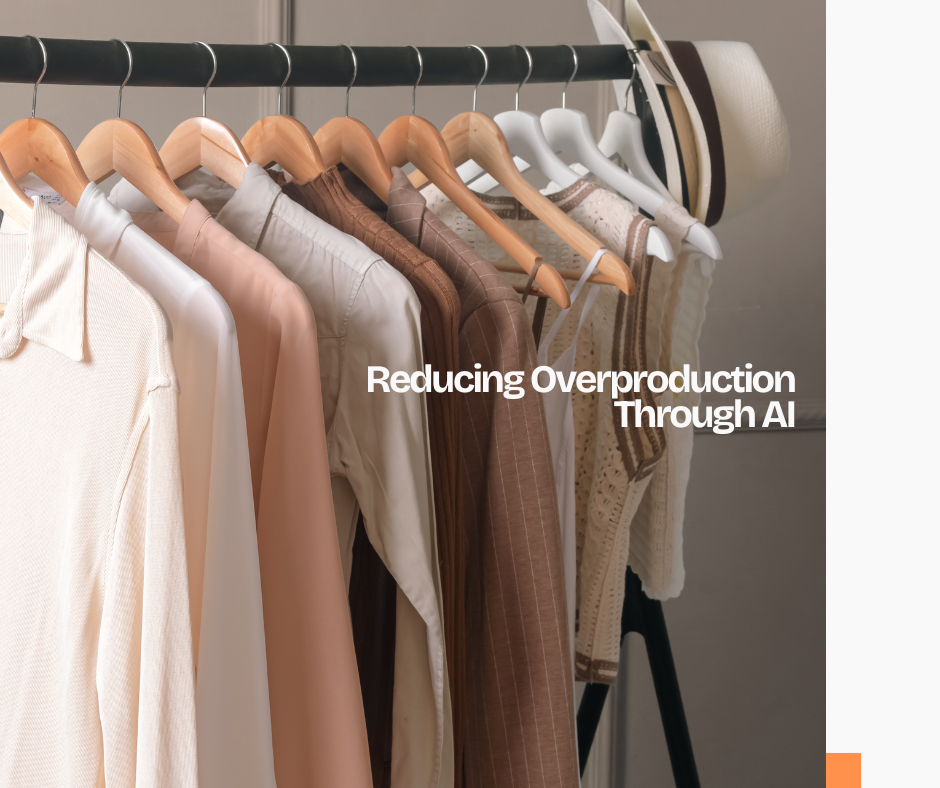
The fashion industry is also using technologies like artificial intelligence to predict what customers will buy suggest products and improve customer experiences. Designers can create clothes before making real ones, which reduces costs and waste.
As the market changes, business owners who stay informed about industry trends will have more opportunities to succeed. Understanding customers, technology, sustainability and global manufacturing helps business owners make decisions and compete effectively.

Why the Clothing Business Is a Profitable Industry
The clothing business is attractive to entrepreneurs because people buy clothes all year round. Unlike products that are only sold during seasons clothes are something people need and want to buy regularly. You can sell clothes for occasions, seasons and styles which creates many business opportunities.
The fashion industry has specialized markets, such, as mens clothes, womens fashion, kids clothes, sports clothes and sustainable clothes. Each market serves customers with unique needs and preferences. Choosing the market helps businesses create a strong brand identity and reduce competition.
Clothing businesses can be very profitable because a strong brand can add value to a product. A good-quality garment can be sold at a price if it has a strong brand, good design and effective marketing. This combination of product quality and brand perception often determines long-term profitability.
New technologies have also made it easier to start a clothing business. You do not need to own a factory or a physical store to launch a fashion brand. You can work with manufacturers use marketplaces and advertise digitally with a lower initial investment.
However to be profitable you need to plan manage quality satisfy customers and keep improving. Businesses that invest in product quality understand their target market. Build a trustworthy brand are more likely to achieve sustainable growth in the competitive fashion industry.
In the part of this guide we will explore how to choose the right clothing business model identify profitable fashion markets conduct effective market research and create a professional business plan that forms the foundation of a successful clothing brand.
Choosing the Right Clothing Business Model
One of the most important decisions when starting a clothing business is selecting the right business model. Your business model determines how you will create, source, market and sell your products. It also affects your startup costs, profit margins, inventory management and long-term growth strategy. There is no business model that works for everyone. The best choice depends on your budget, experience, target market and business goals.
Many entrepreneurs choose to build their clothing brand. This model involves creating designs, selecting fabrics working with manufacturers and selling products under a unique brand name. Building a clothing brand requires more planning and investment than simply reselling products but it offers greater control over quality, branding, pricing and customer experience. Successful fashion brands often develop customers because they provide unique products that cannot be found elsewhere.
Another popular option is the clothing business. Of designing products business owners purchase ready-made garments from manufacturers or wholesale suppliers and sell them through retail stores or online platforms. This model allows entrepreneurs to start quickly because product development has already been completed. Wholesale businesses often benefit from risks although competition can be higher because multiple retailers may sell similar products.
Private label manufacturing has become one of the growing business models in the fashion industry. In this approach manufacturers produce clothing according to the retailers requirements while allowing the products to carry the retailers brand name. This enables entrepreneurs to build a brand without owning production facilities. Private label businesses often focus on developing branding, attractive packaging and effective marketing while relying on experienced manufacturers for production.
Some entrepreneurs choose print-on-demand services. This business model allows clothing to be produced after a customer places an order. Products such as T-shirts, hoodies, sweatshirts and tote bags can be customized with artwork, logos or slogans. Because inventory is not purchased in advance startup costs remain relatively low making this model attractive for beginners. However profit margins may be smaller compared to businesses that manufacture products in quantities.
Dropshipping is another business model that has gained popularity through e-commerce. In a dropshipping business products are shipped directly from suppliers to customers after orders are placed. The retailer manages the store and customer service without holding inventory. While this model reduces risk businesses have less control over production quality, shipping times and packaging.
Many successful clothing companies eventually combine business models as they expand. For example a brand may begin with products later introduce private label collections and eventually design fully customized clothing. Flexibility allows businesses to adapt as customer demand and market opportunities evolve.

Finding a Profitable Fashion Niche
Choosing a niche is one of the most important steps in building a successful clothing business. A niche represents a segment of the fashion market that serves customers with similar interests, lifestyles or clothing needs. Than trying to sell every type of apparel successful businesses often specialize in one category where they can develop expertise and build a strong reputation.
The global fashion industry offers niche opportunities. Some entrepreneurs focus on mens fashion while others specialize in womens clothing, childrens wear, maternity apparel, sportswear, modest fashion, luxury clothing, workwear or streetwear. Each niche has customer expectations, pricing strategies and competitive environments.
Streetwear has become one of the growing fashion categories in recent years. Inspired by youth culture, music, sports and urban lifestyles streetwear appeals to customers seeking fashionable clothing. Oversized T-shirts, hoodies, cargo pants, sneakers and graphic designs are products within this niche. Brands that create designs and strong identities often build highly loyal communities.
Luxury fashion targets customers who value premium materials, exceptional craftsmanship and exclusive designs. Although this niche requires production standards and stronger branding it also offers larger profit margins. Luxury customers often prioritize quality, reputation and customer experience over prices.
Sustainable fashion has also become increasingly important. Consumers are showing interest in environmentally friendly clothing made from organic materials, recycled fabrics and ethically sourced textiles. Businesses that emphasize sustainability often attract customers who value manufacturing and long-lasting products.
Fitness and sportswear continue to experience global demand. Comfortable activewear, gym clothing, yoga apparel and performance fabrics have become popular because more people are adopting lifestyles. This niche offers opportunities for innovation through materials and functional clothing designs.
Childrens clothing is another market because parents regularly purchase new garments as children grow. Seasonal collections, school uniforms, casual wear and special occasion clothing create demand throughout the year.
Selecting the niche requires careful consideration of customer demand, competition, production costs and long-term growth potential. Businesses that focus on solving customer needs often establish stronger brand identities than companies attempting to serve every market segment.
Conducting Effective Market Research
Market research is one of the valuable tools for reducing business risk. Before investing in manufacturing, branding or marketing entrepreneurs should understand who their customers are, what products they prefer and how competitors operate. Careful research helps businesses make decisions based on real customer demand rather than assumptions.
The first step in market research is identifying the target audience. Business owners should understand the age gender, income level, location, interests, shopping habits and lifestyle of their customers. A brand targeting university students will likely require products and pricing than one serving working professionals or luxury consumers.
Competitor analysis provides insights into the marketplace. Studying clothing brands helps entrepreneurs understand product quality, pricing strategies, marketing approaches, customer reviews and brand positioning. Than copying competitors businesses should identify opportunities to offer unique value or improve customer experiences.
Fashion trends should also be monitored regularly. Consumer preferences change with seasons, cultural influences, technological developments and social media. Following fashion magazines industry reports, online marketplaces and trend forecasting services helps businesses remain competitive while introducing products that align with demand.
Customer feedback is another source of information. Reviews, surveys, social media comments and direct conversations reveal what customers appreciate well as areas needing improvement. Businesses that actively listen to customers are better equipped to develop products that meet market expectations.
Keyword research is particularly valuable for clothing businesses. Understanding what customers search for helps entrepreneurs optimize website content, product descriptions and marketing campaigns. Strong search engine optimization increases visibility. Attracts potential buyers who are actively searching for clothing products.
Creating a Professional Clothing Business Plan
A business plan serves as the roadmap for a clothing business. It outlines objectives, strategies, financial projections, marketing plans and operational processes that guide decision-making during both startup and growth phases. A prepared business plan not only improves organization but also increases confidence when seeking investors or business partners.
The executive summary introduces the business concept. Explains the companys mission, products, target market and long-term vision. Although it appears at the beginning of the document many entrepreneurs write this section after completing the rest of the business plan because they have an understanding of the business.
The company description explains what makes the clothing business unique. This section describes the chosen niche, brand values, product categories and competitive advantages. Clear positioning helps customers understand why they should choose one brand of another.
The market analysis summarizes research about the industry, target audience, competitors and customer demand. Investors and business partners often pay attention to this section because it demonstrates that business decisions are supported by research rather than guesswork.
Marketing strategies describe how customers will discover the brand. Digital advertising, social media, influencer partnerships, search engine optimization, email marketing and content creation all contribute to building brand awareness. Businesses should also explain how they plan to retain customers through loyalty programs, excellent customer service and consistent product quality.
Operational planning outlines how products will be manufactured, stored, packaged and delivered to customers. Entrepreneurs should clearly identify suppliers, manufacturers, shipping partners, inventory systems and quality control procedures that support business operations.
Financial planning remains one of the critical sections of the business plan. Startup costs, expected revenue, operating expenses, profit margins, cash flow projections and funding requirements should all be estimated carefully. Realistic financial planning helps businesses avoid challenges while supporting sustainable growth.
A professional business plan should remain flexible because markets continue to change. Regularly reviewing and updating business goals allows entrepreneurs to respond to opportunities while maintaining long-term direction.
In the part of this guide we will explore how to build a memorable clothing brand create original clothing designs understand fabric selection and choose the right manufacturing partner, for your fashion business.
Building a Strong Clothing Brand
To have a clothing business you need to do more than just sell clothes. One big thing that sets fashion companies apart from regular stores is the brand. The Clothing Brand is what the business is about. It is the personality, values and promise of the company. People buy clothes because they like the way they look but because they trust the brand that made them. A strong brand helps people recognize the company and makes them customers. This allows businesses to compete with companies even in very crowded markets.
The first step to building a clothing brand is to figure out what the brand is all about. Every successful fashion company has an idea of what it wants to do. Some brands focus on making clothes that people can wear every day while others make high-end fashion clothes that are good for the environment, workout clothes or streetwear. Knowing what the brand is about helps customers understand what makes it special.
Choosing a brand name is also very important. The name should be easy to remember, unique and easy to say. It should also be available to use on the internet and on media. Using the branding on the website, packaging, labels and marketing materials helps people recognize the brand and makes it look professional.
A designed logo is also crucial for branding. Even though the logo is one part of the brand it is often the first thing that customers notice. A simple and timeless logo works better than an one because it can be used on labels, packaging, business cards, websites and advertisements.
The values of the brand have become very important in the fashion industry today. Many customers prefer to buy from businesses that’re honest care about the environment and make high-quality products. Clearly communicating these values helps create a connection with customers and builds trust. Fashion brands that keep their promises often have customers and sell more products.
Telling the story of the brand is also a way to build a connection with customers. People like to know how the brand started what inspired the products. How they are made. Sharing the story behind the business makes the brand feel more real and relatable. Whether the company makes clothes has a family tradition creates innovative designs or uses environmentally friendly methods a good story helps customers remember the brand.
Designing Your Clothing Collection
Designing clothes is one of the creative parts of starting a clothing business. Making designs helps the brand stand out and meet customer expectations for comfort, style and quality. Successful clothing collections combine creativity with market research to make clothes that people really want to wear.
Designing a clothing collection starts with understanding who the customersre. Before making products business owners should think about who will wear the clothes, where they will be worn and what problems they should solve. Clothes for teenagers might be very different from clothes for professionals or luxury customers. Understanding what customers like helps designers make products that people will actually buy.
Fashion inspiration comes from different places, such as culture, architecture, art, music, travel, nature, sports and old-fashioned clothes. Designers often look at what’s trendy during the season and add their own ideas to create unique collections. Of copying what already exists successful brands focus on making designs that reflect their own style.
Sketching is usually the step in turning ideas into products. Designers draw pictures of what the clothes will look like including the shape, size, stitching and other details. Modern computer programs make it easy to create sketches and make changes throughout the design process.
After the sketches are done technical specifications are written for the manufacturers. These documents include details about size, fabric, stitching and quality standards. Having accurate technical specifications reduces mistakes during production. Helps manufacturers make clothes that meet the designers expectations.
Making samples is another step. Manufacturers create sample clothes before making a quantity, which allows designers to check the fit, comfort, appearance and quality. Changes can be made before investing in a production run. This process reduces mistakes and improves the final product quality.
Many successful fashion brands release collections several times a year. New products keep customers interested. Allow businesses to follow changing fashion trends. However making timeless clothes that do not go out of style is also valuable because they can be sold for a time.
Understanding Fabrics and Materials
Choosing the fabric is one of the most important decisions in making clothes. The type of fabric affects how comfortable, durable and attractive the clothes are, well as how much they cost and how satisfied customers are. Understanding fabrics allows business owners to make products that meet customer expectations and market demand.
Cotton is a popular fabric because it is soft, breathable and comfortable. It is often used for T-shirts, shirts, dresses, pants and kids clothes. Cotton works well in weather because it absorbs moisture and allows air to circulate.
Linen is liked for its lightweight feel and breathability. It is often used for summer clothes, casual wear and relaxed styles. Although linen wrinkles many customers like its natural look and feel.
Wool is valued for its warmth, durability and luxurious feel. It is often used for suits, coats, sweaters and winter clothes. High-quality wool like merino is soft and lightweight.
Silk is associated with luxury because of its texture and elegant appearance. It is often used for clothes, ties and high-end traditional garments. While silk requires care it remains one of the most prestigious fabrics in fashion.
Synthetic materials like polyester, nylon and elastane offer durability, flexibility and wrinkle resistance. Many sportswear brands combine synthetic fibers to improve performance. Stretchy fabrics have become very popular because they increase comfort while keeping the clothes shape.
Sustainable fabrics are becoming more popular as customers become more environmentally conscious. Organic cotton, recycled polyester, bamboo, hemp and Tencel provide eco- alternatives to traditional fabrics. Businesses that invest in materials often attract customers who care about the environment and ethical fashion.
Choosing the fabric requires balancing quality, functionality, customer expectations and production costs. Businesses that understand fabric characteristics can develop products that provide long-term value and strengthen their brand reputation.
Finding Reliable Clothing Manufacturers
Finding the manufacturer is one of the most important decisions for any clothing business. A reliable manufacturer directly affects product quality, production efficiency, delivery schedules and customer satisfaction. Even the best designs can fail if production standards are not consistent.
Business owners should start by finding manufacturers that specialize in their type of product. Some factories make sportswear while others make high-end clothes, denim, knitwear, kids clothes or traditional apparel. Choosing a manufacturer improves production quality because they already know how to make specific types of clothes.
Communication is essential throughout the manufacturing process. Clear instructions, specifications, accurate measurements and regular updates reduce mistakes that could delay production or create defects. Businesses should establish communication channels before placing large orders.
Requesting product samples is always an idea before committing to mass production. Samples allow business owners to evaluate quality fabric performance, sizing and craftsmanship. Necessary improvements can be made before manufacturing begins on a scale.
Factory certifications also provide information about manufacturing standards. Certifications related to quality management, workplace safety and environmental responsibility show that manufacturers follow recognized industry practices. Many international buyers prefer working with certified factories because they provide confidence in production consistency.
Production capacity should also match business requirements. Small startups may initially require manufacturers that can accept orders while larger brands may prioritize factories that can produce large quantities efficiently without sacrificing quality.
Long-term partnerships often produce results than constantly changing suppliers. Manufacturers that understand a brands quality standards and product requirements become more efficient over time reducing errors and improving consistency.
Preparing for Production
Before full-scale manufacturing begins every detail should be carefully reviewed. Final product specifications, approved samples, fabric selection, packaging requirements, labeling instructions, delivery schedules and quality expectations must all be confirmed with the manufacturer. Careful preparation reduces production risks. Ensures smoother operations.
As production begins regular communication and progress monitoring help identify issues early. Businesses that actively manage the manufacturing process often experience delays and maintain higher product quality.
In the part of this guide we will explore private label manufacturing, wholesale clothing sourcing finding suppliers in China, Pakistan, Bangladesh, India, Turkey and Vietnam quality control procedures and pricing your clothing products for maximum profitability.
Building an Online Clothing Store
In today’s digital world, having an online clothing store is essential for the success of any fashion business. Consumers increasingly prefer shopping online because it offers convenience, a wider product selection, and the ability to compare prices and styles from anywhere. Whether a business operates exclusively online or alongside a physical store, a professional e-commerce website helps build credibility, expand market reach, and increase sales.
The first step in creating an online clothing store is choosing the right e-commerce platform. Many entrepreneurs select platforms such as Shopify, WooCommerce, BigCommerce, or Magento because they provide user-friendly tools for managing products, payments, inventory, and orders. These platforms allow businesses to launch attractive online stores without requiring advanced technical knowledge.
Website design plays a major role in customer experience. A clean, responsive, and easy-to-navigate website encourages visitors to explore products and complete purchases. High-quality product images, detailed descriptions, accurate sizing guides, customer reviews, and clear pricing help customers make informed buying decisions. Fast-loading pages and mobile-friendly designs are equally important, as a large percentage of online shoppers use smartphones.
Secure payment systems also build customer trust. Offering multiple payment methods such as credit cards, digital wallets, bank transfers, and cash-on-delivery (where applicable) makes shopping more convenient for customers in different regions. Displaying security certificates and clear privacy policies further strengthens confidence in the online store.
Digital Marketing for Clothing Brands
Even the best clothing products will struggle to sell without effective marketing. Digital marketing enables fashion businesses to reach targeted audiences, increase brand awareness, and generate consistent sales. Unlike traditional advertising, digital marketing allows businesses to measure performance and optimize campaigns based on real customer data.
Social media has become one of the most powerful marketing channels in the fashion industry. Platforms like Instagram, TikTok, Facebook, Pinterest, and YouTube allow brands to showcase new collections, share styling ideas, and interact directly with customers. Regularly posting high-quality photos, short videos, behind-the-scenes content, and customer testimonials helps build an engaged online community.
Content marketing also contributes to long-term growth. Publishing fashion guides, styling tips, fabric education, trend articles, and seasonal lookbooks helps establish a brand as an authority within the fashion industry. Valuable content attracts website visitors through search engines while encouraging customers to spend more time exploring products.
Email marketing remains one of the highest-performing digital marketing strategies. Businesses can inform subscribers about new collections, special promotions, exclusive discounts, and upcoming product launches. Personalized email campaigns often improve customer retention while increasing repeat purchases.
Paid advertising through search engines and social media platforms allows businesses to reach highly targeted audiences. Campaigns can be customized based on age, location, interests, shopping behavior, and demographics, ensuring marketing budgets are used efficiently.
Search Engine Optimization (SEO) for Fashion Websites
Search Engine Optimization, commonly known as SEO, is essential for attracting organic traffic to a clothing website. When customers search online for clothing products or fashion advice, businesses with well-optimized websites have a greater chance of appearing in search engine results. Higher visibility often leads to more visitors, increased sales, and reduced dependence on paid advertising.
SEO begins with keyword research. Business owners should identify the phrases potential customers use when searching for products. These keywords should naturally appear in product titles, category pages, blog articles, image descriptions, and meta descriptions. Using relevant keywords helps search engines understand website content.
Product descriptions should provide useful information rather than simply listing features. Well-written descriptions explain fabric composition, sizing, fit, care instructions, and styling suggestions while naturally incorporating important keywords. Original content performs better than copied manufacturer descriptions because search engines prioritize unique information.
Website speed also influences search rankings. Fast-loading pages improve user experience while reducing the likelihood that visitors leave before browsing products. Compressing images, optimizing website code, and selecting reliable hosting services contribute to improved performance.
Internal linking strengthens website structure by connecting related articles, product categories, and educational content. For example, a blog discussing denim fashion can link directly to denim product pages, encouraging visitors to continue exploring the website.
Publishing informative fashion articles further improves SEO. Educational content addressing customer questions helps attract search traffic while positioning the business as a trusted source of fashion knowledge.
Influencer Marketing and Brand Collaborations
Influencer marketing has become an important strategy for clothing brands because it allows businesses to reach highly engaged audiences through trusted content creators. Fashion influencers regularly share outfit ideas, product reviews, styling videos, and shopping recommendations that influence purchasing decisions.
Choosing the right influencer requires careful consideration. Businesses should focus on influencers whose audience matches their target market rather than simply selecting individuals with the largest number of followers. Engagement rates, content quality, authenticity, and brand values are often more important than audience size alone.
Collaborations can take many forms, including sponsored posts, product reviews, giveaway campaigns, affiliate partnerships, and long-term ambassador programs. Authentic partnerships generally produce stronger results because followers trust recommendations that feel genuine rather than purely promotional
Businesses should also encourage customers to create their own content by sharing photos wearing purchased clothing. User-generated content builds credibility because potential buyers often trust real customer experiences more than traditional advertisements.
Packaging, Shipping, and Customer Service
The customer experience continues long after an online order is placed. Professional packaging, reliable shipping, and excellent customer service all contribute to customer satisfaction and encourage repeat business.
Packaging should protect products while reflecting the brand’s identity. High-quality boxes, branded tissue paper, thank-you cards, and attractive labels create memorable unboxing experiences that strengthen customer loyalty. Environmentally friendly packaging has also become increasingly popular as consumers value sustainable business practices.
Reliable shipping partners are essential for maintaining customer trust. Businesses should provide accurate delivery estimates, shipment tracking, and timely communication throughout the shipping process. International sellers must also understand customs regulations, import duties, and documentation requirements to avoid unnecessary delays.
Customer service plays a central role in building long-term relationships. Prompt responses to inquiries, helpful sizing assistance, efficient order processing, and fair return policies create positive experiences that encourage repeat purchases. Even when problems occur, professional customer support often transforms dissatisfied buyers into loyal customers.
A transparent return and exchange policy further strengthens customer confidence. Clear instructions regarding eligibility, return deadlines, and refund procedures reduce uncertainty while improving the overall shopping experience.
Scaling Your Clothing Business
As a clothing business grows, entrepreneurs should begin planning for expansion. Scaling requires improving operations without sacrificing product quality or customer satisfaction. Businesses that prepare carefully can increase sales while maintaining efficient workflows.
Expanding product categories is one common growth strategy. A brand that initially sells T-shirts may later introduce hoodies, jackets, trousers, accessories, or footwear. Diversifying product offerings increases average order value while attracting new customer segments.
International expansion presents another significant opportunity. Selling products globally allows businesses to reach larger markets and reduce dependence on a single country’s economy. Before expanding internationally, companies should research local fashion preferences, shipping costs, payment methods, and import regulations.
Automation also supports business growth. Inventory management software, customer relationship management systems, accounting tools, and automated marketing platforms improve efficiency while reducing administrative workload. Technology enables businesses to manage larger operations without proportionally increasing staffing costs.
Hiring skilled employees becomes increasingly important as the business expands. Designers, marketing specialists, customer service representatives, logistics coordinators, and financial professionals each contribute to sustainable growth by allowing entrepreneurs to focus on strategic decision-making.
Future Trends in the Clothing Business
The clothing industry will continue evolving through technology, sustainability, and changing consumer expectations. Artificial intelligence, virtual fitting rooms, personalized shopping experiences, and data-driven inventory management are expected to become increasingly common. These innovations will improve customer convenience while helping businesses operate more efficiently.
Sustainability will remain one of the industry’s most important priorities. Consumers increasingly expect environmentally responsible manufacturing, recyclable packaging, ethical sourcing, and transparent supply chains. Businesses that adopt sustainable practices are likely to strengthen customer trust while meeting future market expectations.
Direct-to-consumer business models will continue growing because they allow brands to communicate directly with customers without relying heavily on intermediaries. This approach provides greater control over branding, pricing, and customer relationships while improving profit margins.
Personalization will also become more important. Custom sizing, made-to-order clothing, personalized embroidery, and individual styling recommendations allow businesses to offer unique shopping experiences that strengthen customer loyalty.
Ultimately, the most successful clothing businesses are those that focus on quality, innovation, honesty, and customer satisfaction. Building a trusted fashion brand requires patience, continuous learning, and a commitment to excellence. Entrepreneurs who invest in these principles can create businesses that remain competitive and profitable for many years while making a lasting impact on the global fashion industry.