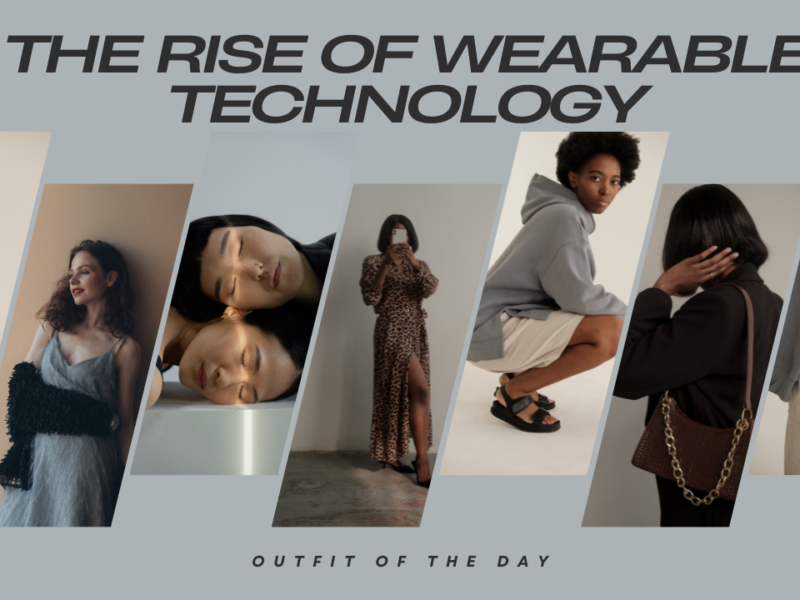
Street Style:
How Everyday Clothing Became a Fashion Movement
Fashion is more than the clothes we wear. It is about who we’re where we come from and what we believe in. For a time fashion was controlled by famous designers and expensive brands. They would show off their designs on special runways and in fancy stores. Regular people would then try to follow these trends.. Things have changed now. One of the reasons for this change is the rise of street style.
Street style is the way people dress in their lives. It is not about what designers think we should wear. About what we actually wear. It starts on the streets in neighborhoods and in schools. It is about how people put their clothes to show off their personalities and cultures. Over time this way of dressing has become an influence on the fashion world.
OnN8YXBpLm9yZ2FuaWNoaXRzLmNvfDk3MjY4LDIxMTY0MS1QWVBU
The story of how street style became so popular is really interesting. It is about people being creative and expressing themselves. What was once thought of as just casual clothes has now become an inspiration for designers and fashion lovers all around the world.
The Meaning and Origins of Street Style
Street style is a way of dressing that is created by individuals not by the fashion industry. It is about being unique and mixing clothes to create a personal style. For example someone might wear a jacket with sneakers or combine old clothes with new accessories. This is what street fashion is about.
Street style started to develop in the 20th century. Then young people began to use clothes to express themselves and challenge the norms of society. Before that fashion was about showing off how much money you had. Rich people could afford clothes while working-class people wore practical clothes.
As cities grew and people became more connected clothes started to become a way of communicating. Young people began to experiment with their looks and use fashion to show off their interests and beliefs. Street style really took off in areas where different cultures and social groups came together.
in the 1950s and 1960s young people started to reject ways of dressing. They created their styles, which often included denim jeans, leather jackets and sneakers. These clothes were originally worn by workers and musicians. Soon became popular all over the world.
The Influence of Youth Culture on Street Fashion
Youth culture has played a role in the development of street style. Young people have always wanted to stand out from generations and fashion has been a way for them to do that. Clothes allow them to show off their personalities and interests without having to say a word.
In the 1960s and 1970s different youth movements used fashion to express their beliefs and lifestyles. The hippie movement for example popularized clothes and natural fabrics as a symbol of freedom and peace. The punk movement used ripped jeans and leather jackets to challenge society.
Street style was not created by designers in studios. It was created by people who were inspired by their surroundings. A musician, artist or student could start a trend that would inspire thousands of others. This made street fashion more democratic because anyone could participate.
Music has also had an influence on street style. Hip-hop culture for example has had an impact on global fashion. In the 1980s and 1990s hip-hop artists popularized clothes, sneakers and sportswear. What started as a style soon became a worldwide fashion trend.
The Rise of Individual Expression
One of the main reasons street style has become so popular is that it celebrates individuality. Traditional fashion often had rules about what to wear and when. Street style challenges these rules by encouraging people to create their unique looks.
A key feature of street fashion is the ability to mix styles. Someone might combine designer clothes with affordable pieces or old vintage items with modern trends. This creativity makes street style constantly changing and unpredictable.
Unlike fashion trends street style allows people to tell their own stories through their clothes. A jacket that has been passed down from a family member or shoes that remind them of their musician can become a meaningful part of someones outfit.
This emotional connection with clothes is what makes street style so powerful. People do not just wear clothes; they use clothes to express who they are, where they come from and what they value. Street style is about people, not clothes. It is, about street style and the people who wear it. How street style has become a part of our lives.
The Role of Street Style Photography
Street style photography played a role in making street style a big thing in the fashion world. Before street style was popular people mostly saw fashion in magazines, ads and fancy runway shows. These shows usually featured models wearing clothes made by famous designers.. Street style photography changed all that by focusing on regular people and what they wear every day.
Photographers started taking pictures of people on the streets in big fashion cities like Paris, Milan, London and New York. They did not take pictures of models in clothes but of regular people who created their own unique styles. These pictures showed that fashion is not about runway models but about how regular people express themselves through their clothes.
People loved street style photography because it was more relatable and inspiring. They could look at the pictures. Think, “I could wear that too.” They could see how ordinary clothes could be styled in ways. A simple pair of jeans a shirt or a classic coat could look great with the right attitude and accessories.
Street style photographers became important in the fashion world because they showed how peoples relationships with clothes were changing. Their pictures proved that fashion is not just about what designers create. About how people choose to express themselves. Every person could be a source of inspiration for street style photography.
The rise of fashion blogs and online magazines made street style photography more popular. These websites posted pictures of people from all over the world so people could see new styles and trends from different places. This connected local fashion communities to the fashion industry.

The Impact of Social Media on Street Fashion
media completely changed the street fashion scene. Platforms like Instagram and TikTok allowed people to share their styles with the world instantly. You no longer needed to be a model or attend a fashion show to influence fashion trends. Anyone with a sense of style and a social media account could become a fashion inspiration.
Social media made street fashion more accessible than ever. People started sharing pictures of their outfits trying out new styles and creating online fashion communities. Hashtags and online trends helped certain styles spread quickly across the globe.
Before media fashion trends usually started with designers and then trickled down to consumers.. Social media changed that. Now trends can start with people and influence big brands.
For example a unique way of styling sneakers or a new combination of colors can become popular overnight. Millions of people can see it. Try it out making fashion faster and more diverse. Social media has also given a voice to fashion communities that were previously ignored. People from all backgrounds and styles can now represent themselves. Gain recognition.
Street Style and the Influence of Music
Music has always been closely tied to fashion. Many street style movements started with music cultures as people used clothes to express their identity. Music created communities and those communities created styles.
Rock music played a role in shaping early street fashion. In the 1950s and 1960s rock and roll introduced styles like leather jackets, denim and casual clothes. These styles represented youth rebellion. Challenged traditional ideas of fashion.
Punk music created another fashion movement. Punk fashion was about ripped clothes, bold hairstyles and handmade designs. It showed that fashion did not have to be expensive or perfect to be cool. Personal creativity became more important than following fashion rules.
Hip-hop had an influence on modern street style. It introduced clothes, sneakers, tracksuits and statement jewelry. Brands that were once for sports and everyday wear became symbols of style and cultural identity.
Today musicians still influence street fashion. They create trends through their music videos, performances and public appearances. Fans adopt these styles. Soon they become part of mainstream fashion.
Sneakers: The Symbol of Street Style
You cannot talk about street style without mentioning sneakers. They used to be for sports but now they are a big part of fashion. They represent comfort, creativity and cultural influence.
Sneakers became popular through sports, music and youth culture. People started collecting limited-edition sneakers and using them as a way to express their personalities.
Sneakers also changed the relationship between luxury fashion and street culture. Luxury brands started working with sneaker companies and streetwear designers. This showed how powerful street fashion had become. Items that were once considered casual were now appearing in luxury stores and fashion shows.
Sneaker culture created a community of collectors and enthusiasts. People discuss designs, history and rarity. Some sneakers become valuable because of their importance, not just their appearance. They represent connections to sports legends, musicians and important moments in pop culture.
The influence of sneakers shows that street style is not about clothes. It is about the meaning behind what people wear and the stories behind those choices.
The Relationship Between Streetwear and Luxury Fashion
For a time street style and luxury fashion were separate worlds. Luxury fashion was about exclusivity, high prices and traditional craftsmanship while streetwear was about life, youth culture and accessibility.. That difference started to disappear.
Luxury brands began to recognize the creativity and influence of street fashion. Designers started incorporating elements into their collections, like hoodies, sneakers and casual silhouettes. This created an era where luxury and street culture influenced each other.
Collaborations between luxury designers and streetwear brands became very popular. These partnerships attracted customers and showed that fashion boundaries were becoming less strict. A simple hoodie or pair of sneakers could be just as valuable as a luxury item.
The acceptance of streetwear by luxury fashion houses changed how society viewed clothes. Items that were once considered ordinary for high fashion became valuable and desirable. This transformation proved that fashion is not about price or status but about creativity, cultural meaning and influence.
Street styles journey from the streets, to luxury runways shows how powerful everyday fashion can be. What starts as expression can eventually change the entire fashion industry.
Street Style: How Everyday Clothing Became a Fashion Movement
Street Style Around the World
Street style is a deal all around the world because every city and culture puts its own special twist on fashion. The basic idea of street style is the same people use everyday clothing to express themselves.. The way it looks is different in each place depending on the history, climate, traditions and social influences of that city.
Different cities have their unique fashion personalities, which makes street style really diverse. Cities like New York, London, Tokyo, Paris and Seoul are famous for their street fashion. Each of these cities has contributed something to the street style movement. The streets of these cities are like labs where people try out clothing ideas and create new trends that eventually influence fashion all over the world.
New York City has played a role in shaping street style especially with hip-hop culture, skateboarding and urban fashion. The city is home to people from different cultures and this mix of cultures has created a unique fashion scene. In New York people like to wear clothing, sneakers, big jackets, denim and sportswear. The city has shown that fashion does not have to come from designers but can come from neighborhoods and communities.
London has its special street style, which is all about being creative and individual. The citys youth movements, like punk and alternative music have had an influence on the way people dress. Londons street fashion often combines new elements creating a balance between tradition and innovation. People in London like to experiment with patterns, vintage clothing and unusual combinations.
Tokyo is known for its creative street style culture. Japanese street fashion is about being original paying attention to details and breaking the rules. Areas like Harajuku are famous for their styles, which combine different colors, textures and cultural influences. The fashion community in Japan has shown that street style can be artistic and imaginative.
Paris, one of the worlds fashion capitals also has a street style culture. While Paris is famous for its luxury fashion houses and elegant designs the citys streets show a side of fashion. Parisian street style is often simple, confident and timeless. People in Paris create looks using basic clothing items like coats, jeans, shirts and classic accessories.
Seoul has become one of the growing fashion cities in recent years. Korean street style has gained attention thanks to the influence of K-pop, entertainment and digital media. Young people in Seoul like to combine trends with their own personal touches creating styles that quickly spread around the world.
The fact that street style is a phenomenon shows that fashion is not limited to one country or culture. Every community contributes something making street fashion a constantly evolving movement.
Cultural Identity and Street Fashion
One of the important things about street style is its connection to cultural identity. Clothing has always been a way for people to express their backgrounds, traditions and communities. Street fashion allows individuals to combine their heritage with modern influences.
Many street styles are created by communities that use clothing to celebrate their identity. Traditional patterns, fabrics, hairstyles and accessories often become part of street fashion. This combination creates a bridge between the past and the present.
For example people around the world often mix clothing with modern fashion. Someone might wear cultural clothing with modern sneakers, jackets or accessories. This shows that heritage and modern lifestyle can exist together.
Street style also gives visibility to communities that were previously underrepresented in mainstream fashion. People who did not see themselves in fashion magazines or advertisements found a way to showcase their styles through streets and online platforms.
However cultural influence in fashion also requires respect. There is a difference between appreciating a culture and using cultural elements without understanding their meaning. Responsible fashion recognizes the history and significance behind styles.
Street style is powerful because it allows people to tell their stories. A persons clothing can represent their family background, social experiences, personal beliefs and cultural connections. This emotional meaning is one of the reasons street fashion continues to grow.
Street. The Growth of Personal Branding
In the digital world street style has become closely connected with personal branding. Many individuals use their clothing choices to create an image of themselves. Fashion influencers, bloggers and content creators often build their careers by sharing their styles online.
Personal branding through fashion means creating an identity that people remember. Some individuals become known for fashion choices such as wearing vintage clothing combining luxury and affordable pieces or creating bold and experimental outfits.
This development has changed the way people view fashion influence. In the past only celebrities, designers and models had power in shaping trends. Today ordinary individuals can gain audiences and influence millions of people through their fashion content.
Fashion influencers have become connections between brands and consumers. Companies often work with individuals who have personal styles because audiences trust their opinions. This shows how street style has moved from being an activity to becoming a major part of the fashion economy.
The growth of branding also encourages creativity. People are constantly searching for ways to present themselves and stand out in a crowded digital environment. Fashion becomes a form of storytelling allowing individuals to communicate their personalities without using words.
The Role of Street Style in Breaking Fashion Rules
For a time fashion followed strict rules about what was considered appropriate, stylish or acceptable. Certain clothing styles were connected with genders, social classes or occasions. Street style challenged many of these ideas.
One of the contributions of street fashion is its ability to break boundaries. People began mixing casual clothing combining different styles and creating new ways of dressing. A suit could be worn with sneakers sportswear could become fashion and traditional gender expectations around clothing could be questioned.
Street style helped create freedom in fashion. Of asking whether something was officially fashionable people began asking whether it represented their personality and made them feel confident.
The movement also contributed to the popularity of gender- fashion. Many people started choosing clothing based on comfort and personal preference than traditional ideas about mens and womens fashion. Oversized shirts, jackets, sneakers and casual styles became popular among people of all genders.
This freedom has encouraged designers and brands to create inclusive collections. Street fashion showed the industry that customers wanted choices beyond categories.
Street. Sustainability
In years street style has also become connected with sustainability and responsible fashion. As people became more aware of the problems caused by the fashion industry many began choosing more thoughtful ways of dressing.
Street style naturally supports some practices because it values creativity over constant consumption. Many fashionable individuals create outfits by reusing old clothing shopping from second-hand stores customizing garments and combining existing pieces in new ways.
Vintage fashion has become especially popular within street style communities. Wearing clothing allows people to find unique items while reducing waste. It also gives garments new meaning and allows fashion history to continue influencing modern trends.
The popularity of second-hand fashion demonstrates that style does not always require buying products. Creativity and imagination can transform old clothing into fashionable looks.
Many street style enthusiasts also support designers and small brands that focus on ethical production. This shows how street fashion can contribute to changes within the clothing industry.
The connection between street style and sustainability reflects a change, in how people think about fashion. Of seeing clothing as something temporary many individuals now view fashion as a form of creativity, responsibility and long-term expression.
How Everyday Clothing Became a Fashion Movement
Street Style and Modern Fashion Designers
As street style became more influential fashion designers began paying close attention to what people were wearing outside fashion shows rather than only focusing on trends within the industry. Designers realized that some of the creative ideas were coming from everyday individuals who mixed clothing in original and unexpected ways. Of viewing the streets as a place where fashion was simply worn they began to see them as places where fashion was created.
Many modern collections include elements that first became popular through street fashion. Oversized hoodies, cargo pants, bomber jackets, sneakers, denim, graphic T-shirts, baseball caps and utility-inspired clothing have all become common on luxury runways. These items were once associated with lifestyles, youth culture and urban communities but today they are considered fashionable across every level of the industry.
Designers also learned that modern consumers value comfort alongside style. In decades fashionable clothing often prioritized appearance over practicality. Street style challenged this idea by proving that clothing could be stylish, comfortable and functional at the time. As a result many fashion brands began creating collections that combine elegance with wearability.
Another important lesson designers learned from street style is the value of authenticity. People are more attracted to clothing that feels genuine and reflects experiences rather than clothing that appears distant or impossible to wear. This shift has encouraged designers to create collections inspired by communities, local cultures and daily life instead of relying only on traditional luxury aesthetics.
The Business of Street Style
Street style is no longer a cultural movement; it has also become a major part of the global fashion economy. Clothing brands closely monitor street fashion because it helps them understand what consumers actually want to wear. Fashion companies often study photographs from cities, social media platforms and cultural events to identify emerging trends before they become mainstream.
Retail businesses have adapted to the influence of street style by offering casual and versatile collections. Clothing that once belonged primarily to sportswear or workwear categories now appears in fashion stores. Hoodies, sneakers, oversized jackets, cargo trousers and relaxed silhouettes have become products for both affordable and luxury brands.
Marketing strategies have also changed significantly. Of relying only on professional advertising campaigns many companies collaborate with influencers, photographers, musicians, athletes and artists whose personal styles reflect authentic street fashion. Consumers often trust these individuals because they appear relatable than traditional fashion models.
Street style has also contributed to the growth of resale markets and vintage fashion. Many people. Sell second-hand clothing, limited-edition sneakers and collectible fashion items. Some garments even increase in value over time because of their rarity or cultural importance. This demonstrates that clothing is no longer viewed as a practical necessity but also as a collectible item with historical and artistic significance.
Challenges Facing Street Style
Despite its positive contributions street style also faces several challenges. One of the concerns is commercialization. As major fashion brands adopt street fashion some critics argue that the movement loses part of its authenticity. Styles that once represented communities or youth cultures may become commercial products sold at very high prices.
Another challenge is the speed of digital trends. Social media allows new styles to become popular overnight but it also causes trends to disappear quickly. People may feel pressure to constantly purchase clothing to stay fashionable which can contribute to overconsumption and environmental problems.
There is also the issue of originality. Because millions of people share fashion content online it can become difficult to distinguish between creativity and copied trends. Some individuals worry that social media algorithms encourage people to imitate styles rather than develop their own unique identities.
Cultural appropriation remains another concern. Street fashion often draws inspiration from cultures around the world but it is essential to respect the historical and cultural significance of traditional clothing. Fashion should celebrate diversity by acknowledging the communities that created these styles of using them without understanding or recognition.
The fashion industry must continue encouraging practices, cultural respect and environmental responsibility if street style is to remain a positive force for creativity and self-expression.
The Future of Street Style
The future of street style appears bright because it continues to evolve alongside society. Technology, sustainability and global communication will likely shape the generation of fashion trends. Artificial intelligence, digital design tools, virtual fashion experiences and online communities are already changing how people discover, create and share clothing ideas.
Sustainability is expected to become a more important part of street fashion. Future consumers are increasingly aware of issues and are looking for clothing that is produced responsibly. Recycling, repairing, renting and reusing garments may become parts of everyday fashion culture. Street style with its emphasis on creativity and individuality is well suited to support these practices.
Technology will also make fashion more personalized. Digital platforms can help individuals discover styles that match their personalities, body types and interests. Custom-made clothing, small independent brands and, on-demand production may reduce waste while allowing people to express themselves effectively.
Global communication will continue connecting fashion communities across countries. A creative outfit worn in one city can inspire people on another continent within hours. This constant exchange of ideas ensures that street style will remain dynamic and diverse.
Importantly future street style will continue celebrating individuality. Fashion trends will always change,. The desire to express identity through clothing will remain constant. Long as people seek creative ways to represent themselves street style will continue evolving.
Street style has really changed the fashion world. It shows that anyone can be creative with fashion, not professional designers or big fashion companies. Street style started with people wearing clothes that were practical and expressed who they were. Now it is one of the important movements in modern fashion. People get inspiration from around them like their neighborhoods, schools, jobs, music and online communities.
Conclusion:
Street style has always reflected what is happening in the world like cultures young peoples movements, music, art and individuality. It has challenged the rules of fashion encouraged people to be themselves and made fashion more inclusive. From leather jackets to sneakers big clothes and eco-friendly fashion street style has shown that everyday clothes can be really important to our culture.
The way people interact with the fashion world has also changed. Of just following trends people are now helping to create them. With cameras, social media and the internet anyone can share their style. Inspire others. This has made fashion more diverse, creative and accessible to everyone.
Street style also reminds us that fashion is not about how we look. What we wear says a lot about who we’re where we come from and what we believe in. Our clothes are like a language that we use to communicate with others. Whether we like clothes, new streetwear, traditional clothes or a mix of everything our style is unique and reflects our perspective on the world.
As fashion keeps changing street style will stay at the center of it all. It comes from our lives so it can adapt to new things and include people from all over the world. While trends may come and go the heart of street style. Being free creative confident and true to ourselves. Will keep inspiring people for a time.
In the end street style is about the people. It shows that fashion is not about expensive brands or fancy fashion shows but about all the individuals who make ordinary clothes into something special. With imagination, confidence and originality regular clothes have become a force, in the fashion world. Street style will keep shaping the way we think about fashion.